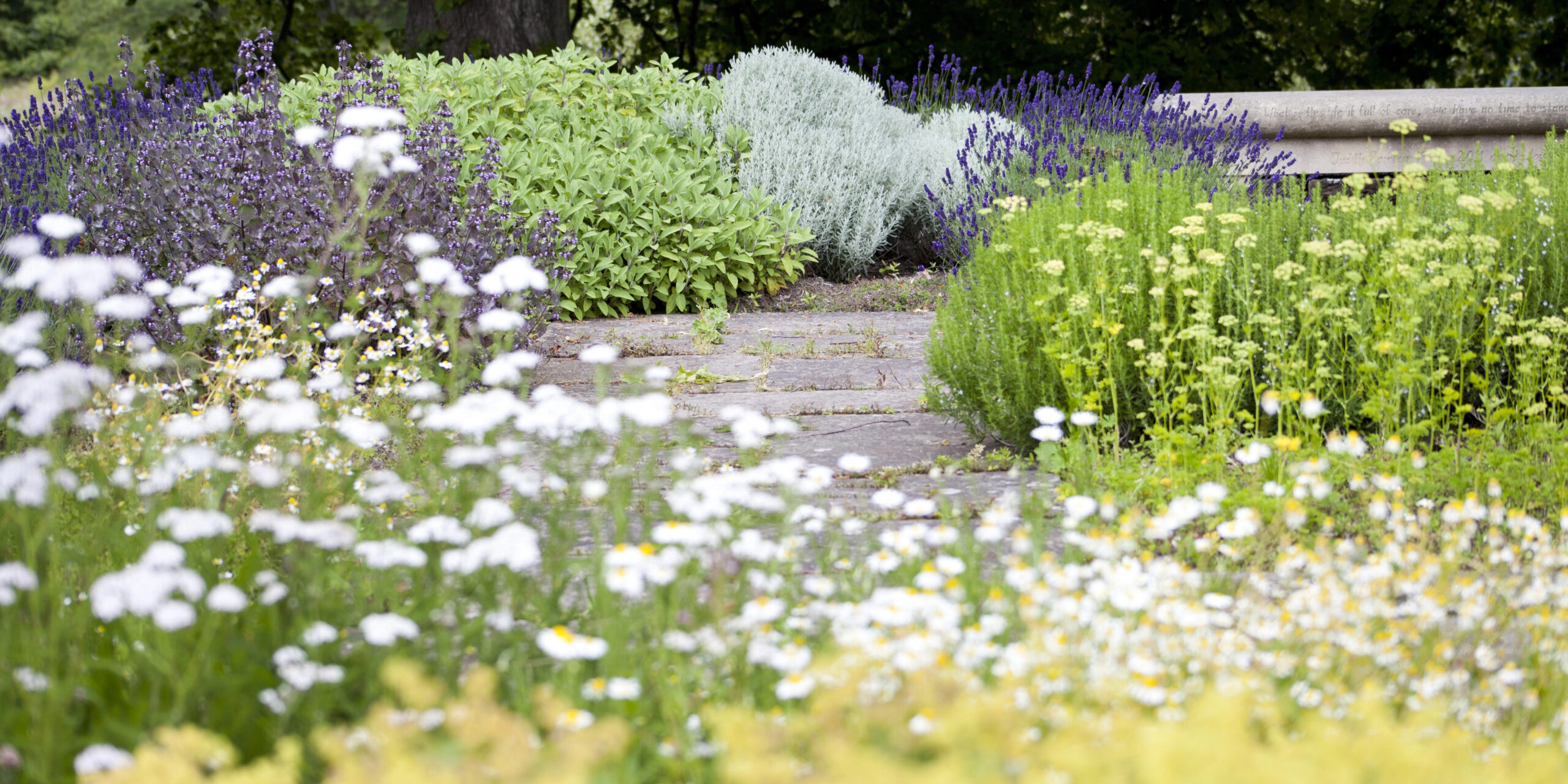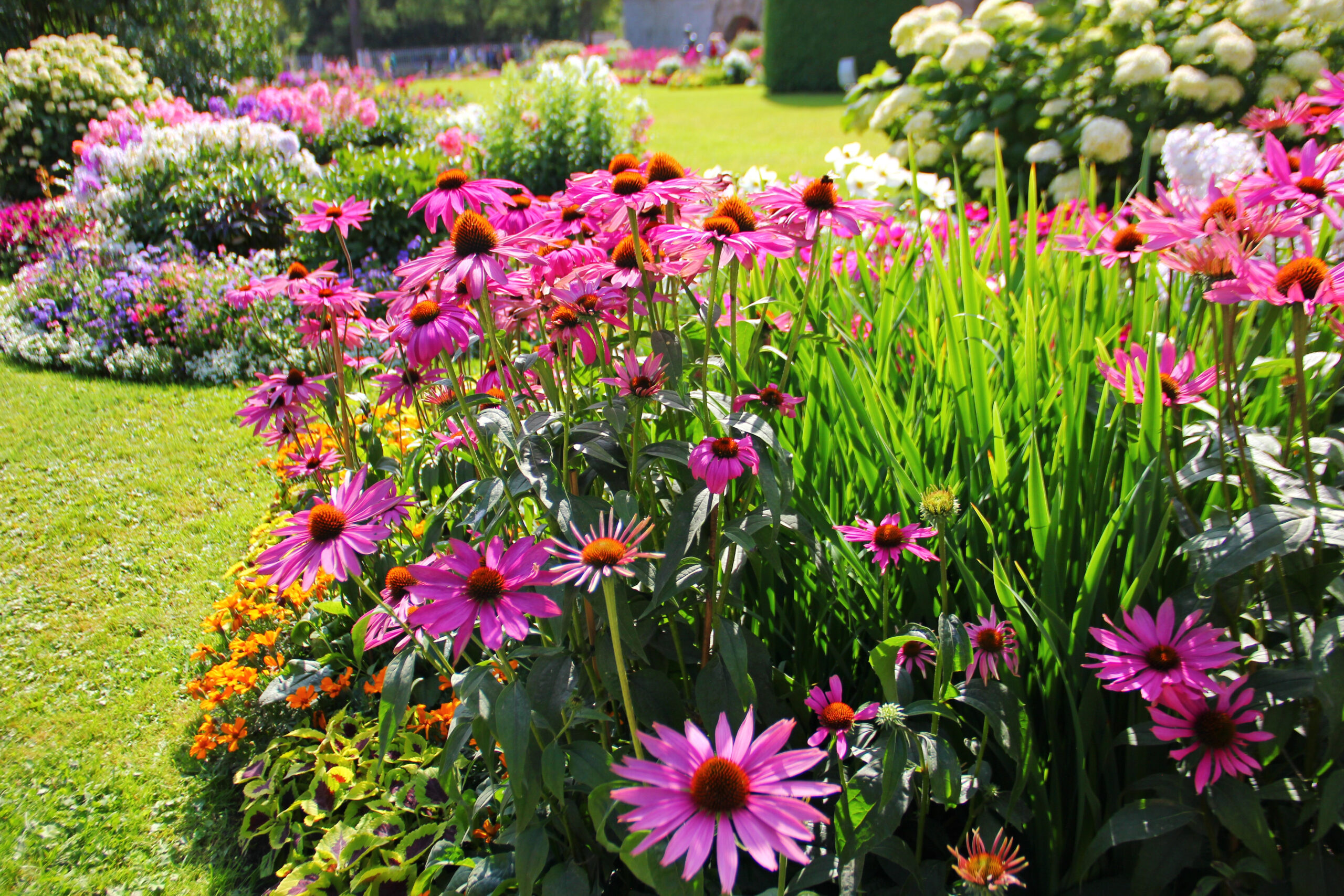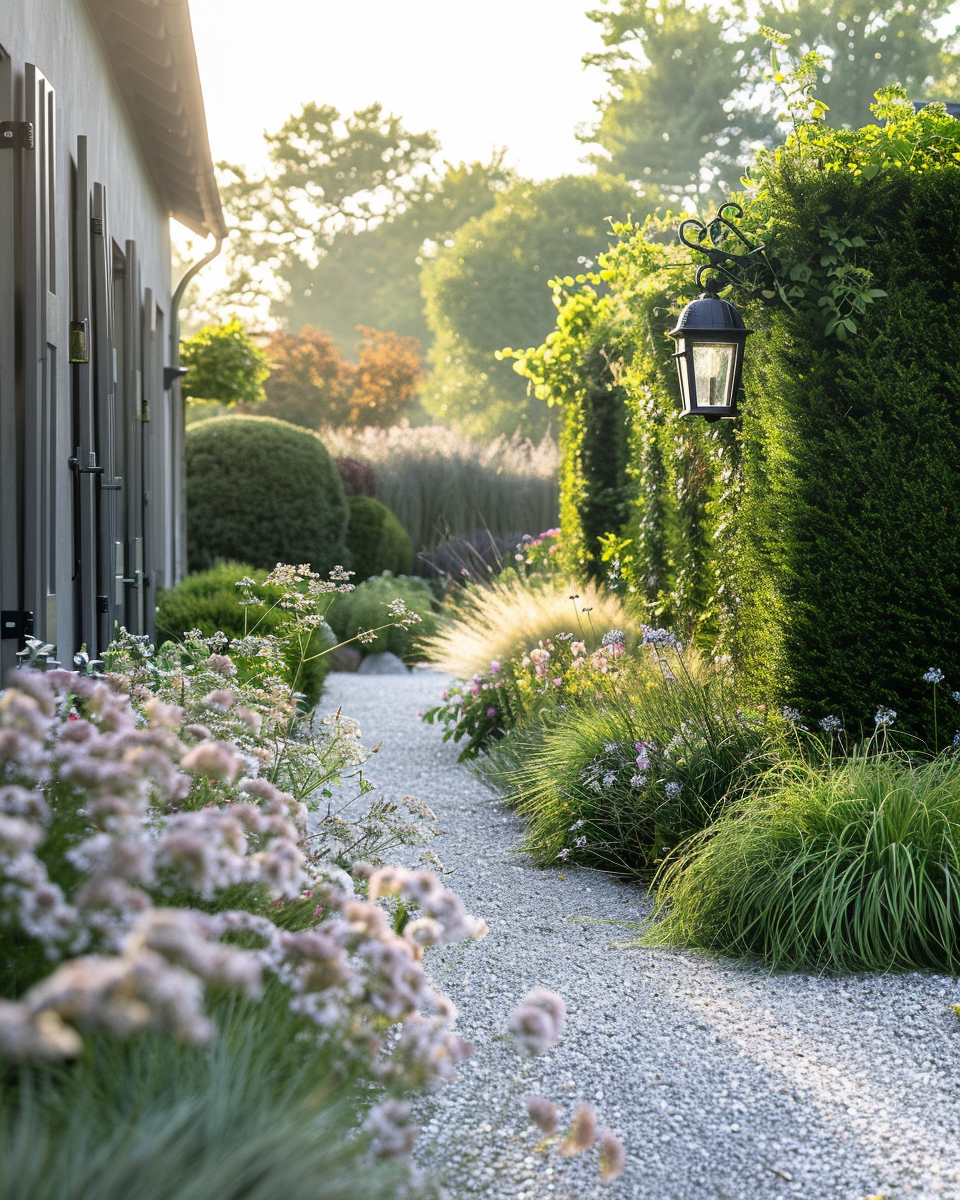
When my gardener stopped showing up halfway through the season, I had to face something I’d quietly ignored for years — my front yard.
The lawn, once tidy and reliable, suddenly became one more thing I didn’t have time to manage. What I wanted was something beautiful, with real curb appeal, but simple enough to maintain only a few times a year.
That realization led me back to the drawing board — not to pick plants, but to to a new way of thinking about my space.
And once I shifted my mindset, everything got easier.
This guide is the version I wish I’d had: simple principles, clear steps, and a design-first approach that works for any small outdoor space.
If you’re ready to dive deeper after this, read the cornerstone post: How to Design a Small Garden.
1. Start With the Feeling You Want to Create

Before you choose plants, take a step back and ask what you want your garden to say.
Do you want warmth and romance — the kind of space where roses tumble over a gate — or something more modern and composed, like soft grasses brushing against stone?
For me, this first step looked like a deep dive into Pinterest boards and old magazines. I saved anything that made me pause — color palettes, planting patterns, even front doors I liked. Over time, certain themes started to emerge. That’s when I began to see the shape of my future garden.
If you’re doing the same, pay attention to what your saves have in common. Do you gravitate toward symmetry and order or loose, abundant layers? Do you like spaces that feel quiet or ones that buzz with life? Those subtle cues help define your garden’s “mood” long before you settle on plants.
Why this matters in small spaces:
Because you don’t have room for “a little bit of everything.” Small gardens depend on a clear mood or style to feel intentional instead of scattered.
If you’re doing the same exercise, pay attention to what your saves have in common:
-
soft, layered color vs clean, structured shapes
-
symmetry vs looseness
-
quiet, calming entries vs energetic, full borders
Your answers define the tone of your space long before you choose a single plant.
Related: How to Design a Small Front Garden (Beginner Edition)
2. Let Your House Lead the Design
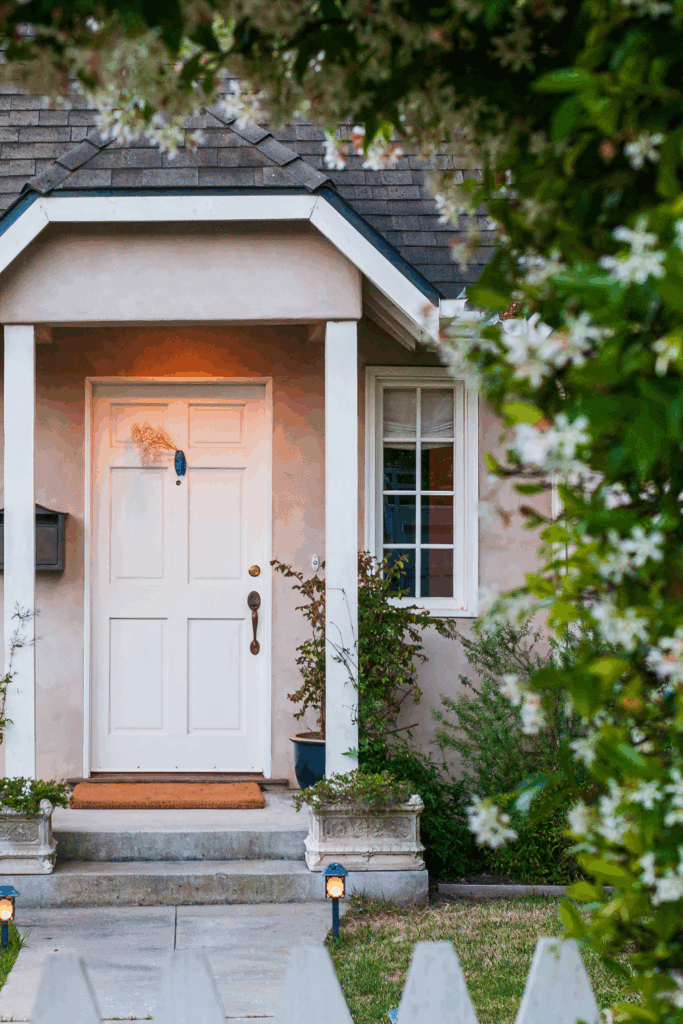
Stand at the curb and look at your home as if you’re seeing it for the first time. Its lines and proportions will tell you a lot about what feels natural in front of it.
A mid-century home with clean geometry might call for crisp edges and repetition. A Tudor-style home with arches and curves might suit softer borders and layered plantings. My own house — a modern ranch with a deep two-foot overhang — changed the equation completely. That shade line meant any plants beneath it would get little to no rain, which meant choosing drought-tolerant options from the start.
When you study your house, take a few photos from across the street. Trace the lines of the roof, windows, and walkway. These shapes are visual cues — they’ll help you design beds that feel cohesive rather than “stuck on.”
Good design starts by responding to what’s already there. Your home is giving you cues. Listen to them.
Why this matters in small spaces:
Because you don’t have room for anything that feels visually disconnected. When the garden echoes your home’s lines, the whole space feels bigger and more cohesive.
3. Observe the Conditions

Before you design, become a quiet observer of your front yard. Notice how sunlight moves throughout the day. Where does the first light hit? Which spots stay shaded or hot until evening? How does water behave after a storm?
Are there areas where it pools for days? That might be an ideal place for moisture-loving plants like Joe Pye weed, Siberian iris, or a small river birch that helps soak up excess water.
Also pay attention to dry zones — under roof overhangs, near foundations, or beside walkways. These spots might never see natural rainfall. Pairing the right plants to the right place — lavender, sedum, boxwood, or ornamental grasses in dry zones — saves you endless frustration later.
Your current setting will nudge you in the right direction if you allow it. Every slope, shadow, and puddle is a clue about what will thrive there.
Why this matters in small spaces:
Because one wrong plant can throw off the entire composition. There’s no “extra room” to hide mismatches.
Related: Evergreens for Small Gardens: The Essential Guide
4. Define the Framework
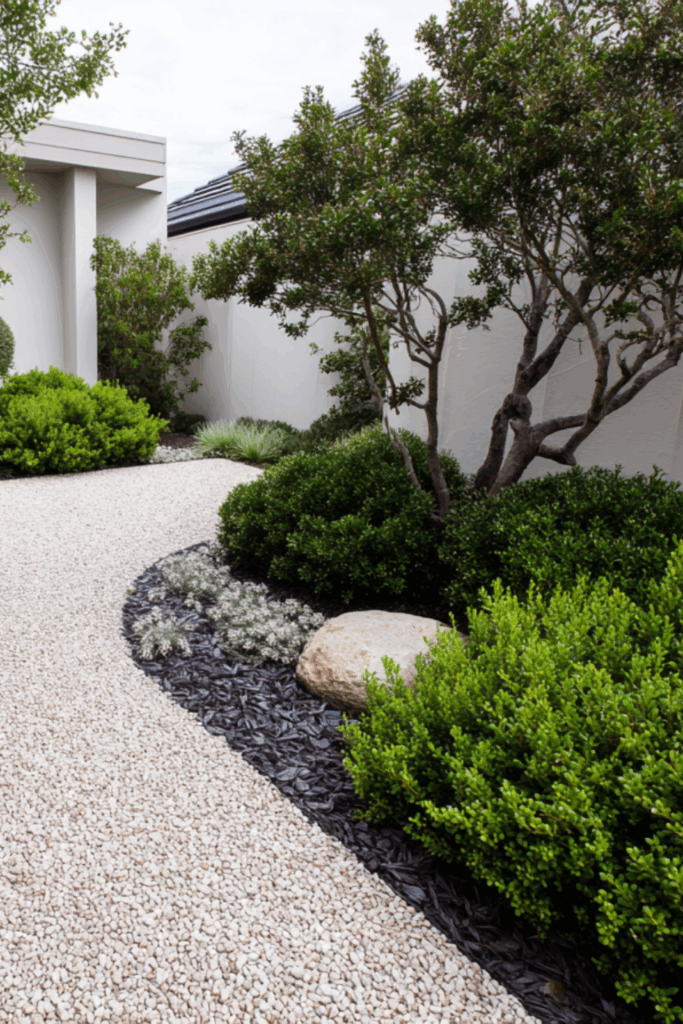
Once you understand your home and site, think about how you want to move through it.
Where will people walk? Where does the eye naturally land when someone approaches the door? Even a tiny yard can have rhythm — short plantings near the path, medium heights mid-distance, and taller anchor plants toward the edges to frame the view.
Start with three anchor elements:
- A path that guides movement.
- A focal point like a tree, urn, or seating area that gives the eye a place to rest.
- A boundary that defines the space — maybe a hedge, low wall, or a change in paving texture.
If you want a quick layout rule, think “open at the entry, layered at the edges.” The design will feel balanced but still welcoming.
Why this matters in small spaces:
Because structure prevents small gardens from feeling chaotic or visually flat. Without a framework, everything blends together.
Related: The Design Patterns That Always Work in Small Gardens (Dec 17)
5. Choose Plants That Fit Your Lifestyle
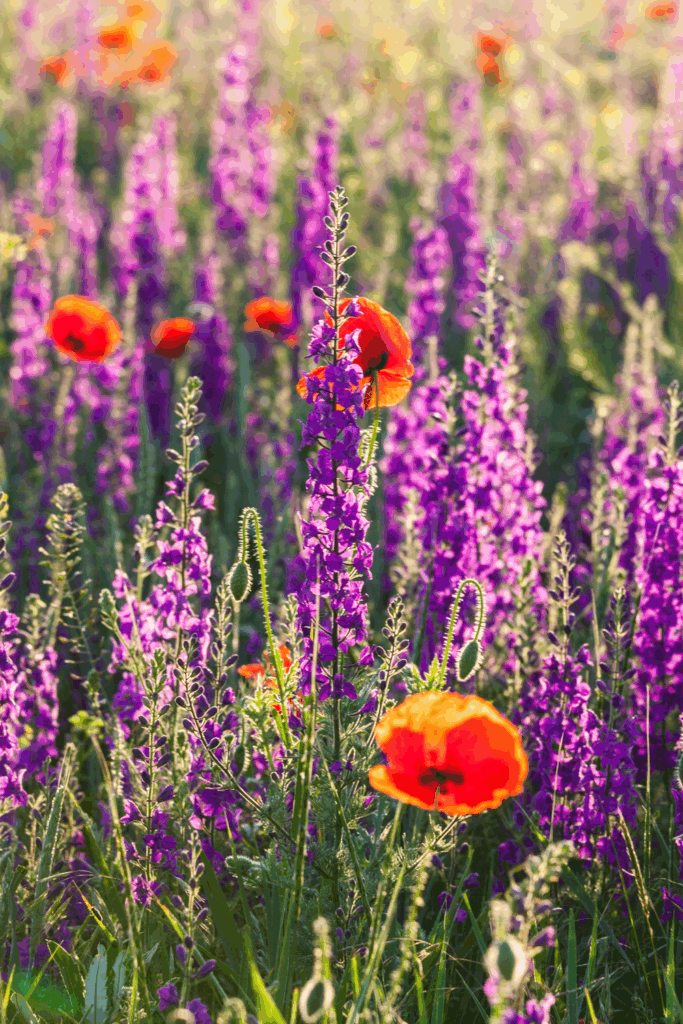
Here’s where design meets reality.
Before you fall in love with a plant, ask yourself how much time you actually want to spend caring for it. Do you love the idea of seasonal planting days — or would you rather your garden look good even if you forget about it for a month?
For small front gardens, your plant palette should balance structure, texture, and ease:
- Structure: Evergreens like boxwood, dwarf yew, or lavender give shape all year.
- Texture: Pair fine grasses (like Sporobolus heterolepis) with large-leafed companions such as hosta or hellebore for contrast.
- Ease: Choose perennials that return reliably, like salvia, catmint, or coneflower.
If your space is hot and sunny, try a mix of Mediterranean herbs and ornamental grasses. For shady or north-facing gardens, lean on ferns, hydrangeas, and groundcovers that fill space naturally.
The key is to think beyond what looks pretty in spring. Ask: What will this space look like in February? That’s where evergreens, grasses, and seedheads come in — they give your front garden bones even when blooms fade.
Why this matters in small spaces:
Because small gardens magnify both success and neglect. Every plant has a starring role, so each choice must count.
Related: 3-Plant Combinations That Always Work in Small Gardens (Dec 11)
6. Small Tweaks That Boost Curb Appeal
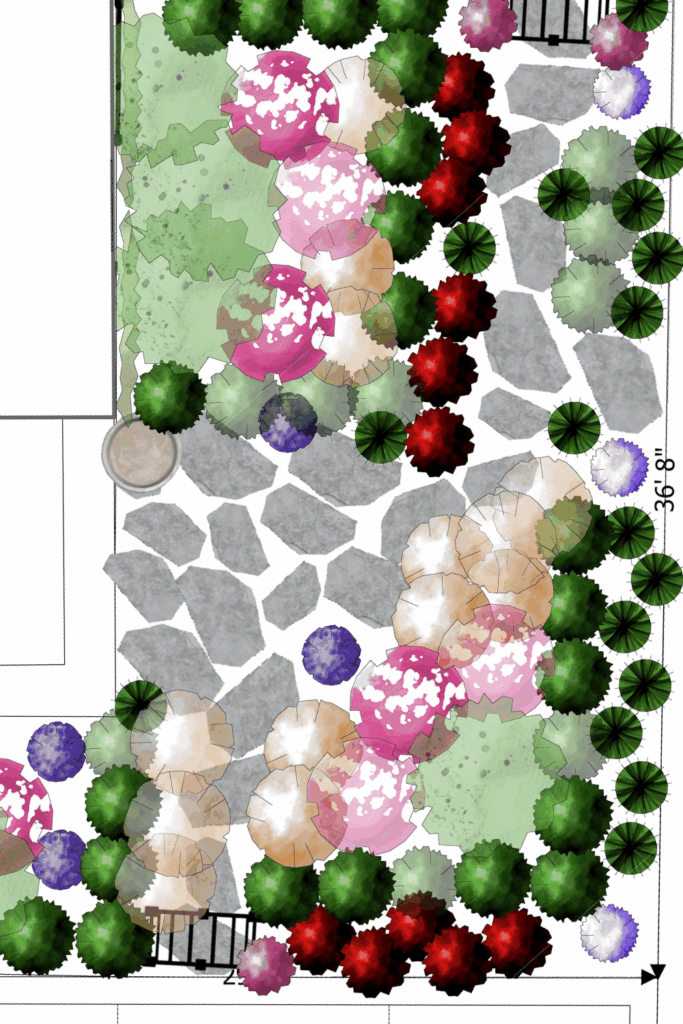
Curb appeal doesn’t come from perfection. It comes from intention. Small details — symmetry, lighting, materials — can make an ordinary front yard look instantly finished.
Here are five tweaks that work in almost every space:
- Define the path. Widen it slightly near the front door for a welcoming feel.
- Repeat materials. Match your garden edging or pots to something on the house — a trim color, stone, or metal finish.
- Add lighting. A soft glow along the walkway or under shrubs adds depth at night.
- Simplify. Too many plant types can make small spaces feel chaotic. Repetition calms the eye.
- Use containers. Urns or pots near the entry let you switch color and texture with the seasons.
You don’t need a massive makeover. Often, it’s the refinement — not the redesign — that makes a front garden feel cohesive and cared for.
Why this matters in small spaces:
Because every detail is visible at once. Small spaces rely on cohesion.
Related: Small Garden Lighting Ideas That Transform a Space (Jan)
7. Give Yourself Permission to Evolve
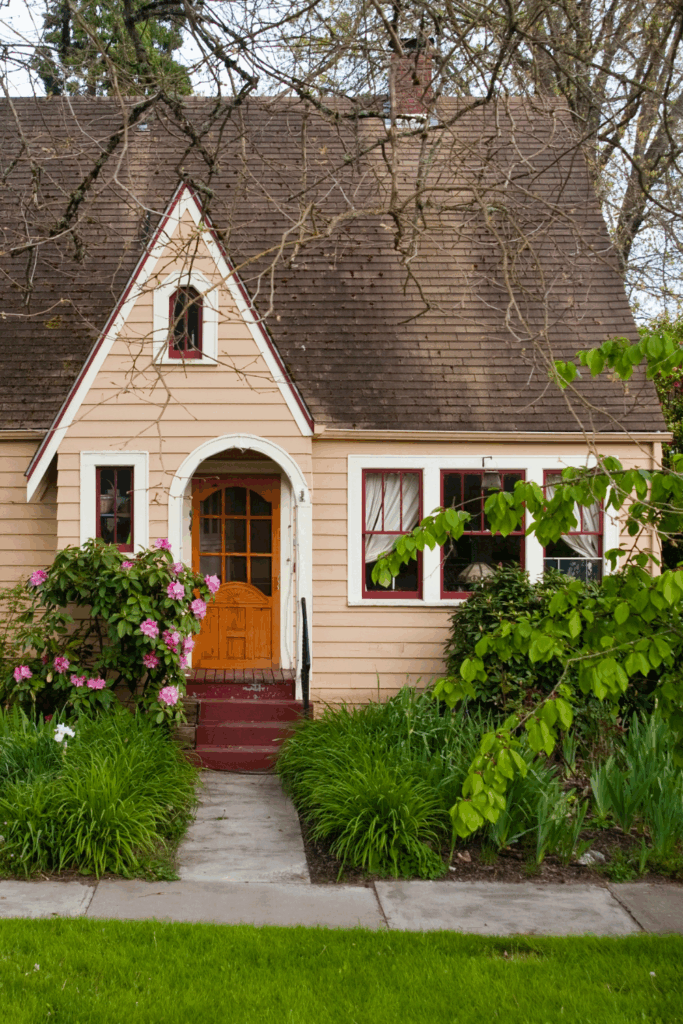
Designing a small front garden isn’t something you finish in a weekend. It’s a process that grows with you. Some parts will come together quickly, and others might take a few seasons to find their balance. That’s part of the charm — your garden becomes a story of slow refinement.
In my own space, I started with the wrong mix of plants. I wanted soft movement, but I didn’t realize how much structure mattered until I watched everything fade flat in winter. The next season, I added boxwoods, ornamental grasses, and a small tree for year-round shape — suddenly, it all clicked.
Whether you end up with cottage abundance, French symmetry, or naturalistic ease, the most important thing is that it feels like home every time you pull into the driveway.
Why this matters in small spaces:
Because small gardens respond faster. A single change — a path, a focal point, a better anchor plant — can transform the entire entrance.
Before You Start Designing (Checklist)
-
Study sunlight patterns
-
Look closely at your home’s lines
-
Define a mood or style
-
Identify drainage and dry zones
-
Plan your path, focal point, and boundary
-
Layer plants by height and texture
-
Remember: good gardens evolve
Closing Thought
A small outdoor space doesn’t have to be perfect — it just has to feel like you.
Start with curiosity, work with what’s already there, and let each season teach you what the space wants to become. The result? An entrance that greets you with warmth, beauty, and a quiet sense of clarity every time you come home.