

There’s a moment I’ve come back to more than once in my work as a garden designer, and it usually shows up in the same way. Someone has invested time and care into creating an outdoor living space—a courtyard, a patio, a garden designed to feel like a room—and yet, over time, they realize they don’t actually use it.
Not the way they thought they would.
{Exploring your relationship with your garden? Start the free 5-Day Email Garden Journey}
Reconnecting
I recently encountered this as I reconnected with a past client to talk about featuring her new garden in our summer issue of Alcove. Years ago, she had asked me to redesign her courtyard to feel more like an outdoor room—enclosed, defined, and complete. We used vertical plantings to create that sense of enclosure, layering greenery to soften the boundaries and separate the space from everything beyond it.
It worked exactly as intended. The space felt lush, private, and finished.
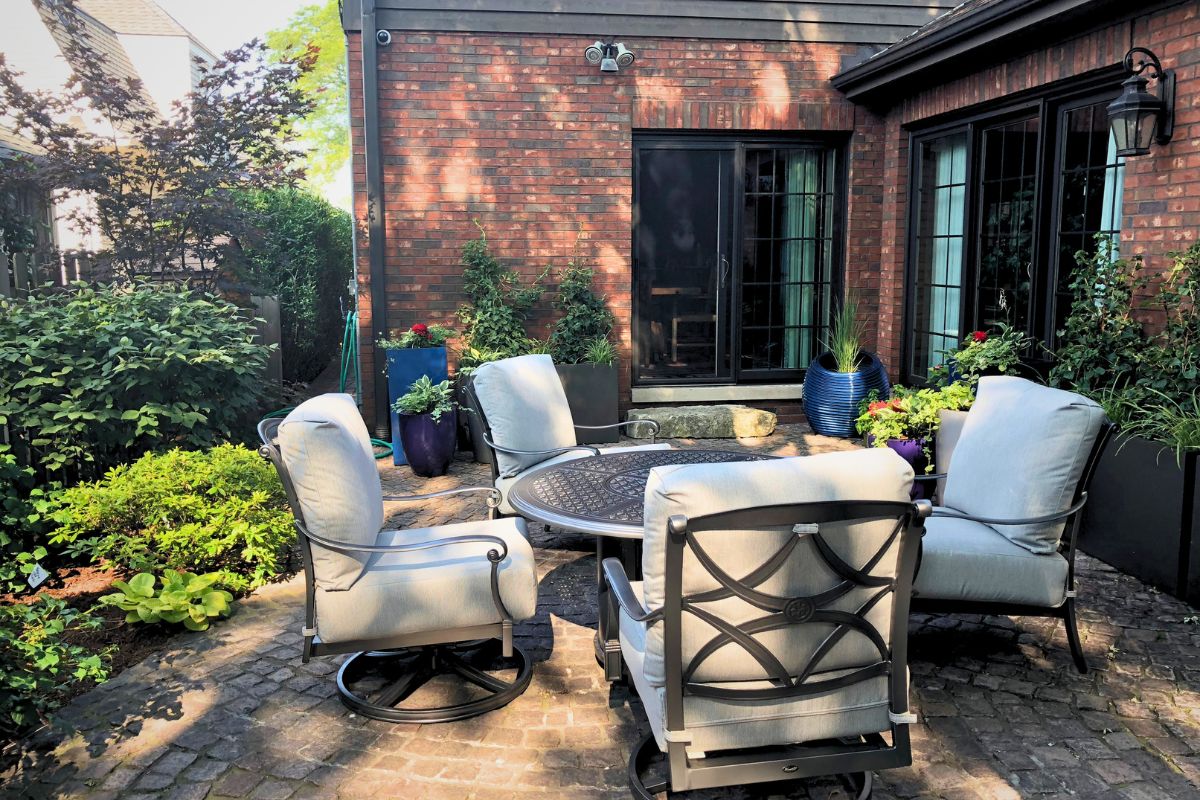
And yet, she recently shared with me that the courtyard wasn’t ever used in the way they had imagined. They weren’t sitting out there regularly. They weren’t lingering. The space was successful by design standards, but it wasn’t active in their daily life.
When I asked her why she thought this was, her answer had nothing to do with the layout or the plantings. She told me she thought it had more to do with her personality. She’s someone who is always looking for the next project, the next thing to adjust or improve. Once the courtyard was finished—truly finished—it no longer held her attention in the same way.
That answer reframed something important for me.
Because one of the most common assumptions in garden design is that if an outdoor space is comfortable, well-designed, and visually complete, it will naturally be used. But that isn’t always true.
Sometimes the issue isn’t the design.
It’s the expectation behind it.
We Often Design for a Version of Ourselves That Doesn’t Quite Exist
When people plan an outdoor space, they often imagine how they should use it. A patio becomes a place for entertaining. A garden becomes a place to sit and relax. A courtyard becomes an outdoor room.
And for some people, that’s exactly how those spaces are used.
But for others, the way they interact with a garden is different. They move through it, adjust it, pay attention to what’s working and what isn’t. They return to it not to sit, but to shape.
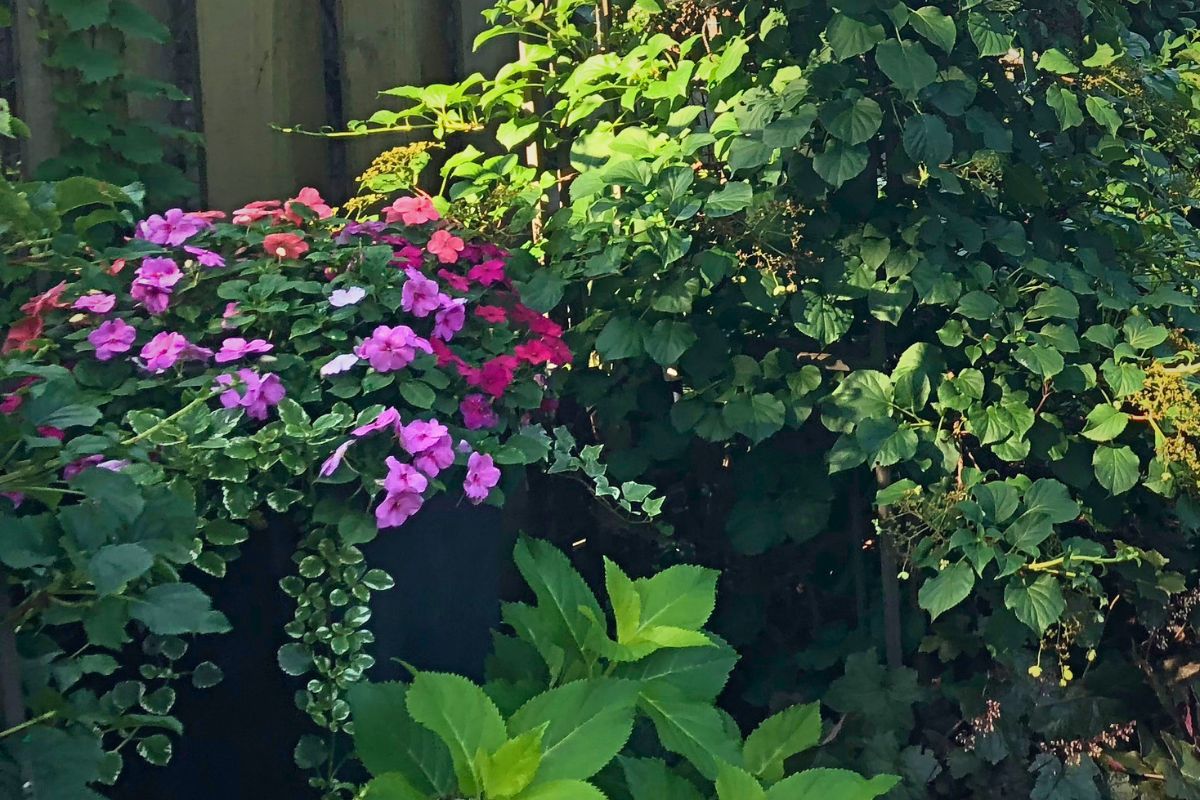
If you’ve ever wondered why you don’t use your patio, deck, or garden as much as you expected, it may not be because the space is wrong. It may be because it was designed for a different kind of use.
A Well-Designed Space Can Still Go Unused
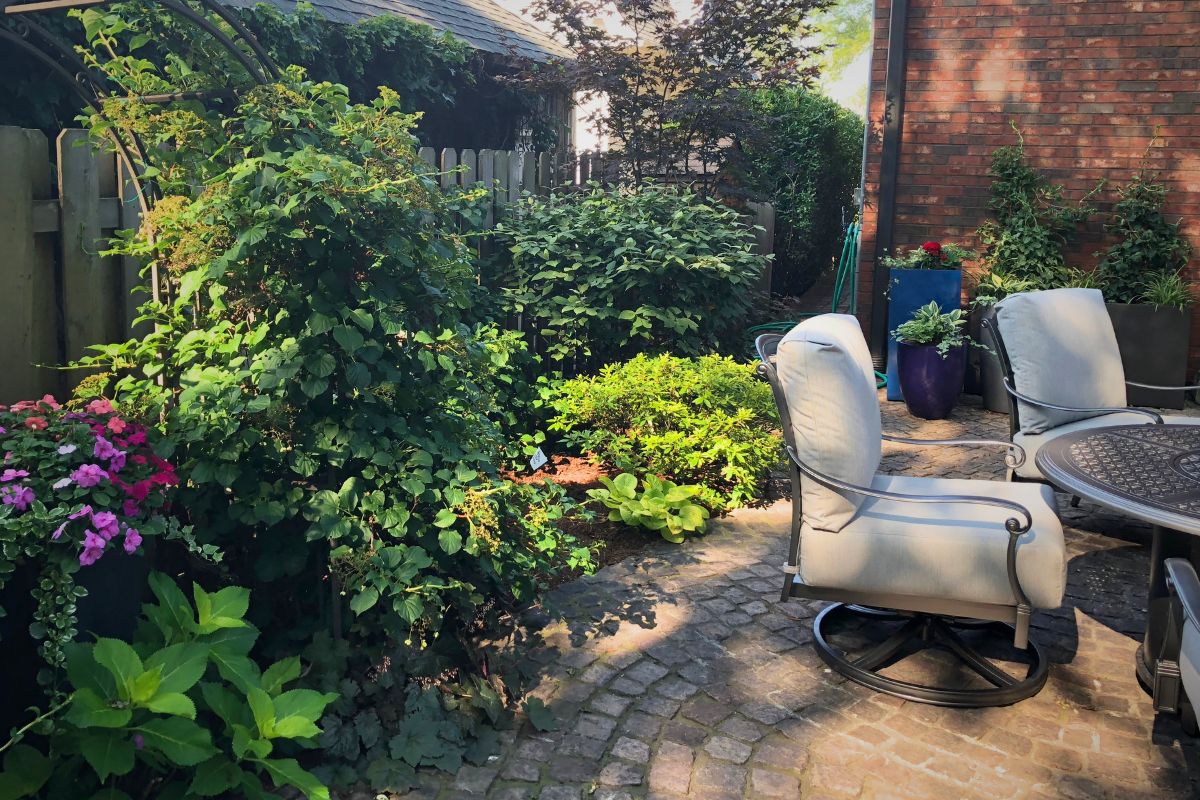
This is one of the more surprising garden design mistakes, especially in residential landscapes. A space can be beautifully executed—well-proportioned, thoughtfully planted, visually cohesive—and still not become part of how someone lives.
A seating area can be perfectly placed and rarely used.
A courtyard can feel complete and remain empty.
Meanwhile, another part of the garden—less finished, less resolved—may draw more attention and more time.
Not because it’s more comfortable, but because it’s still in process.
{Wondering why you return to certain spaces? The 5-Day Garden Journey was written for you. Start here. }
What You Return To Matters More Than What You Build
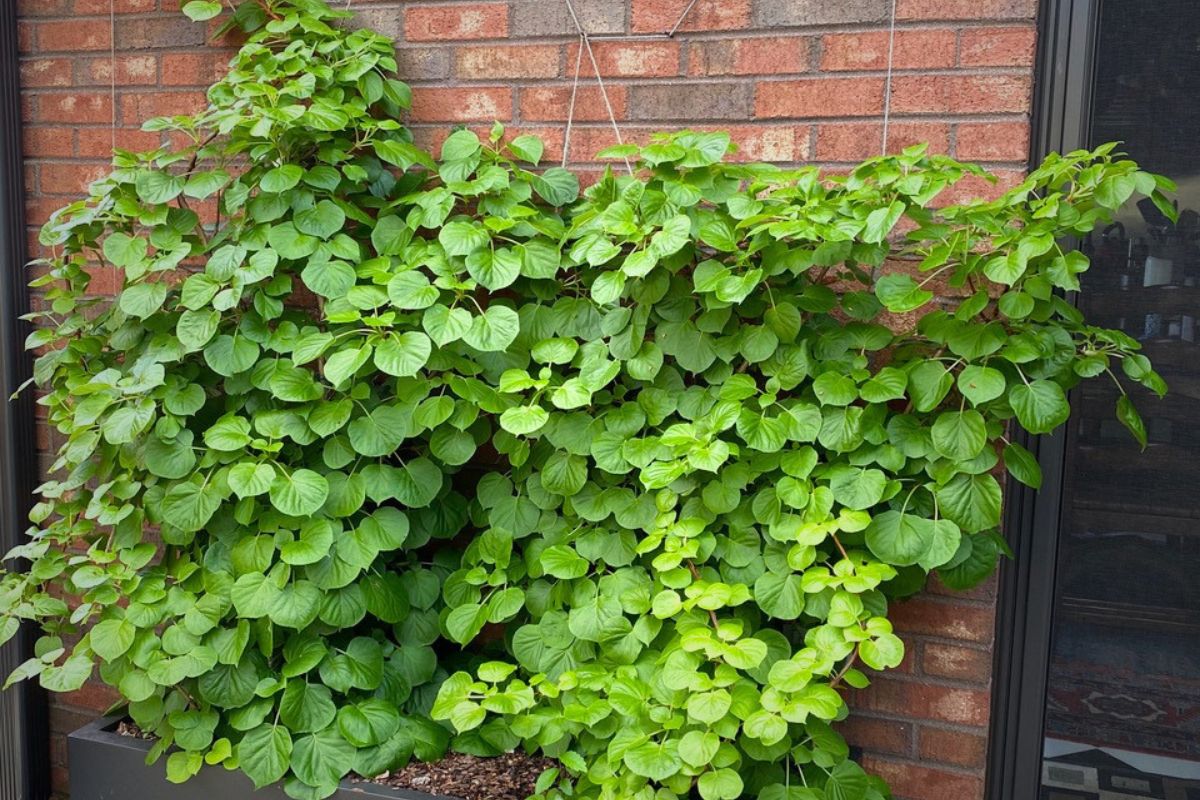
When I think back to Bev’s courtyard and compare it to the garden she’s working on now, the difference is clear. Her current garden isn’t finished. It’s more open, more connected to the street, and still evolving. There are edges she’s reconsidering, areas she’s adjusting, decisions she’s still working through.
And she’s fully engaged with it.
She returns to it often—not to sit, but to shape: to rethink a planting, to adjust a line, to consider how the space connects to what’s around it. Especially now, as she prepares for an upcoming community garden walk, the space is giving her something new to respond to.
It’s active because it isn’t resolved.
That contrast has changed how I think about outdoor living spaces.
We tend to define “use” very narrowly—sitting, entertaining, spending time. But there’s another kind of use that matters just as much.
Returning to adjust something, refine a decision, or even see how a space changes over time.
For some people, that is the real relationship with a garden.
Before You Redesign Your Outdoor Space
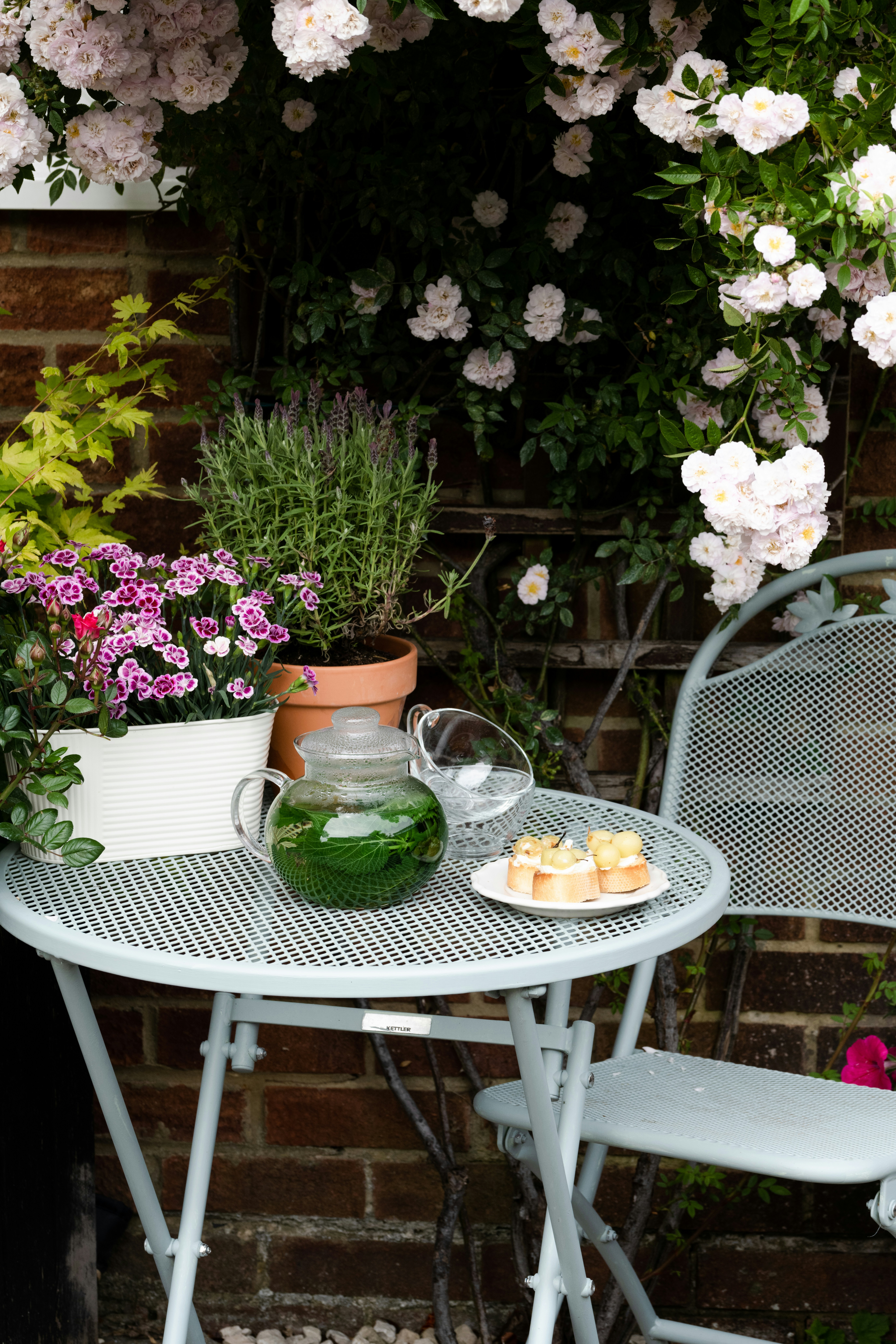
Photo: Monika Grabkowska
If you’ve created a garden, patio, or courtyard that looks exactly how you imagined—but you don’t use it—you don’t necessarily need to redesign it.
Instead, it may be worth asking a different question:
How do I naturally return to a space?
Do you sit in it?
Or do you move through it, adjust it, and shape it over time?
Do you want something finished?
Or something that continues to evolve?
The answer may not just change what you design next.
It may change how you see what you already have.
Free 5-Day Email Garden Journey

Photo: J Young Jeong
If these question resonated, the 5-Day Garden Journey was written for you. It’s free, delivered by email, and it starts with a story about a 4×6 balcony that changed how I see gardens entirely.


