


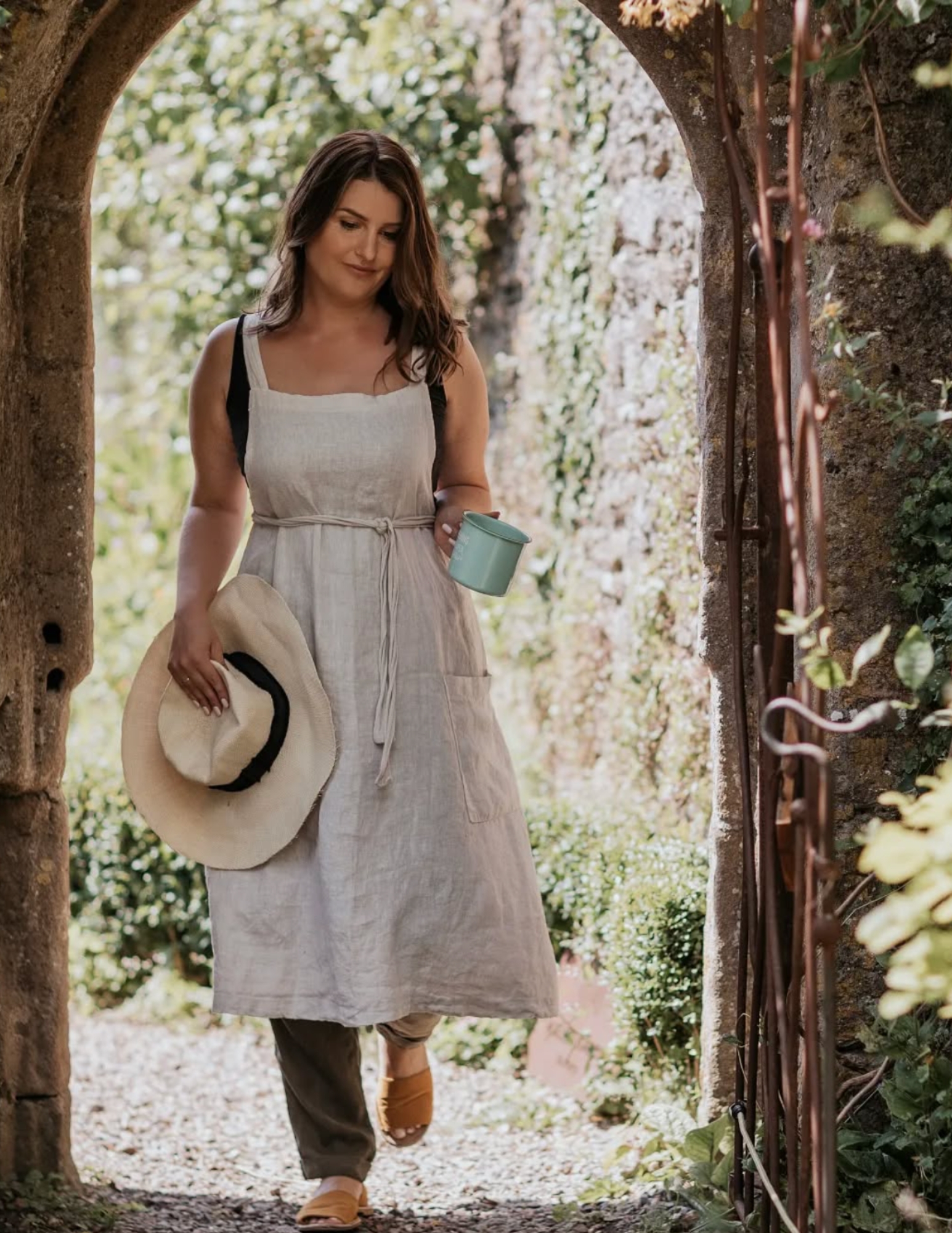
Some gardens are designed. Others are remembered. The best ones are both.
In the debut issue of Alcove, we step inside gardens shaped by memory, intention, and the quiet details that make a space feel like home — not just beautiful, but worth returning to.
Inside Issue No. 01 — The Cozy Garden
Designer Diane Samways believes every garden tells a story, even if you don’t realize it yet. The memories you carry — a grandmother’s roses, a courtyard from a trip you still think about — aren’t sentimental details. They’re design cues. She weaves them into spaces that feel, as she puts it, like “magic, freedom, joy.”
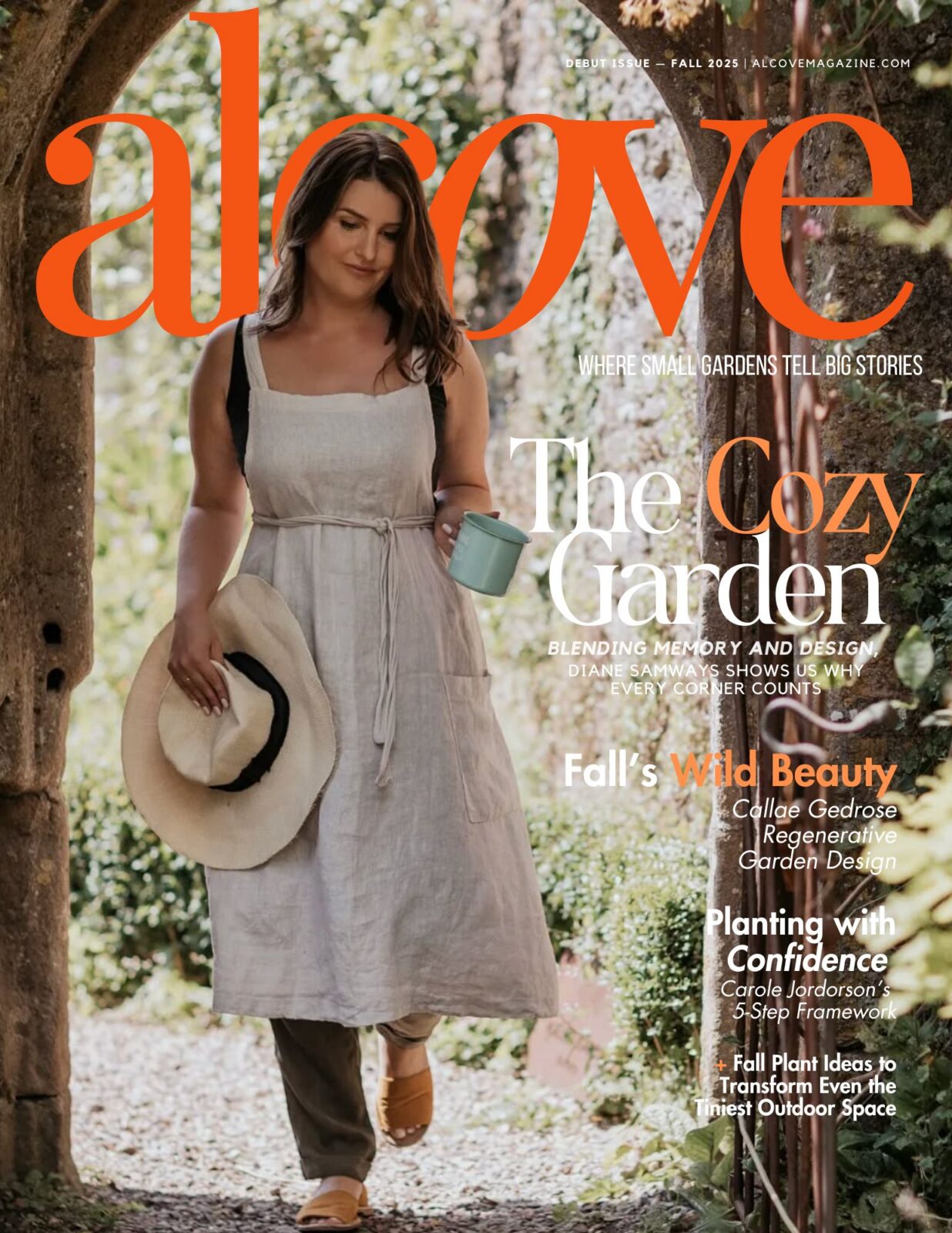
Callae Gedrose of Honeywood Garden Design works differently, but toward the same end: a garden alive with pollinators, grasses, and the kind of layered abundance that makes even a small space feel like a sanctuary. For fall, she says, coziness comes down to three things — peace, patience, and presence.
Carole Jordorson of Design Heights brings structure to the emotion. Her framework is simple: start with how you want the garden to feel, then let shape, color, and rhythm do the rest.
“Each voice in these pages reminds us that gardens aren’t measured by size, but by soul.”
Read Issue No. 01 below.
Some gardens are designed. Others are remembered. The best ones are both.
In the debut issue of Alcove, we step inside gardens shaped by memory, intention, and the quiet details that make a space feel like home — not just beautiful, but worth returning to.
Inside Issue No. 01 — The Cozy Garden
Designer Diane Samways believes every garden tells a story, even if you don’t realize it yet. The memories you carry — a grandmother’s roses, a courtyard from a trip you still think about — aren’t sentimental details. They’re design cues. She weaves them into spaces that feel, as she puts it, like “magic, freedom, joy.”
Callae Gedrose of Honeywood Garden Design works differently, but toward the same end: a garden alive with pollinators, grasses, and the kind of layered abundance that makes even a small space feel like a sanctuary. For fall, she says, coziness comes down to three things — peace, patience, and presence.
Carole Jordorson of Design Heights brings structure to the emotion. Her framework is simple: start with how you want the garden to feel, then let shape, color, and rhythm do the rest.
“Each voice in these pages reminds us that gardens aren’t measured by size, but by soul.”
Read Issue No. 01 below.


