

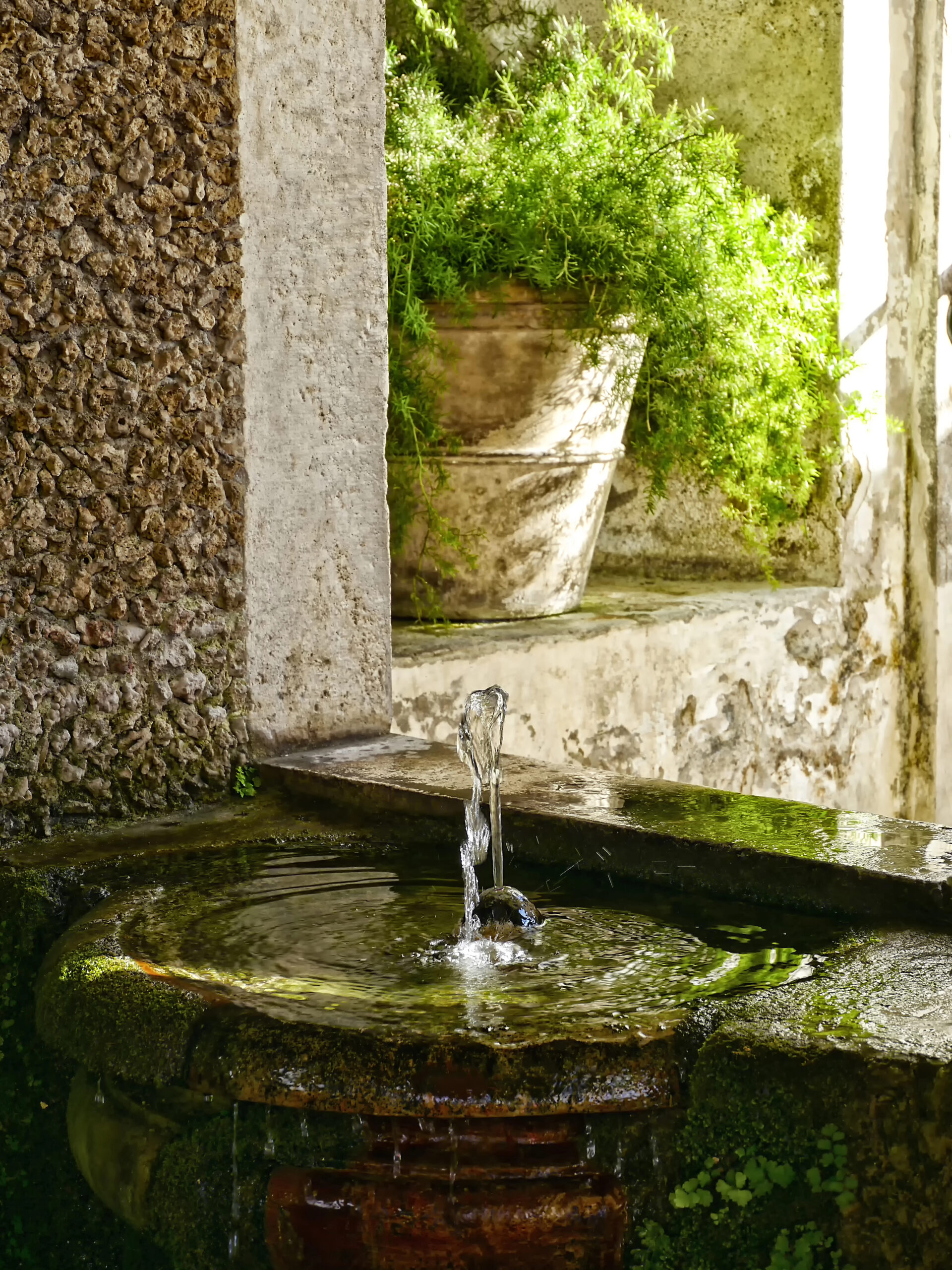
Water as an Element, Not a Feature
Water changes a garden without taking space.
That’s part of its magic.
A small wall spout. A shallow basin. A quiet trickle you notice more with your ears than your eyes. Water has a way of settling into a garden without rearranging the furniture.
In small spaces especially, water doesn’t need to perform. It simply needs to be present.
When Water Is Working, We Rarely Notice It
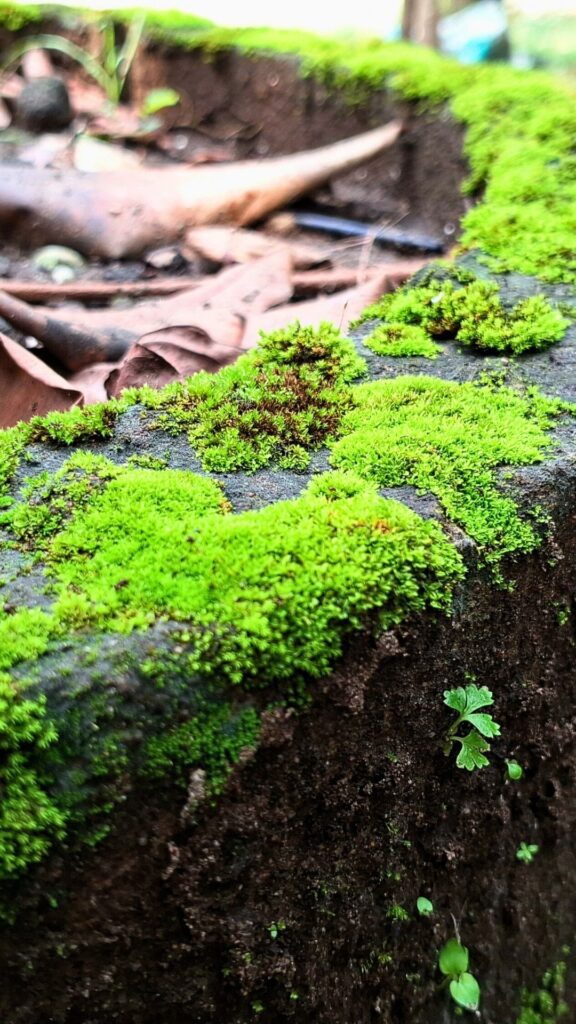
Most of the time, water is invisible in a garden.
When it’s working, no one comments on it. Plants look steady. Containers stay full. Everything feels fine enough that our attention moves elsewhere — to flowers, finishes, favorite combinations.
But take water away, and the garden tells on itself almost immediately.
Leaves soften. Growth hesitates. Even established plants begin to look uncertain, as if something essential has shifted. Water doesn’t call attention to itself — but it’s doing more work than we tend to acknowledge.
Why Small Gardens Feel Water More Sharply
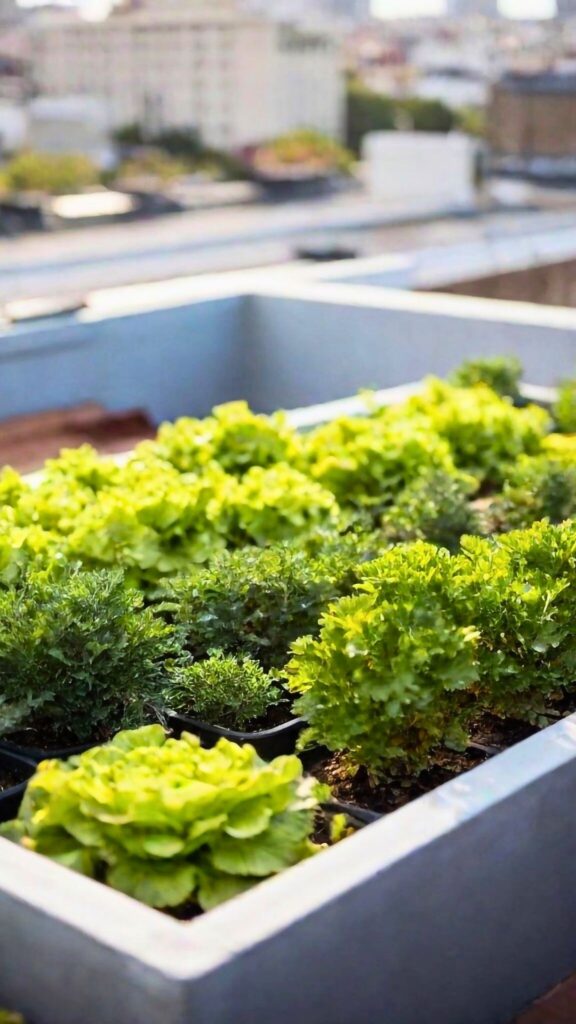
Small gardens feel this more sharply than large ones.
There’s no deep soil profile quietly holding moisture. No hidden reserves below grade. Many small spaces rely on containers, raised beds, balconies, or rooftops — places entirely dependent on the systems we put in place.
When those systems work, the garden feels settled.
When they don’t, everything feels exposed.
In a small garden, water isn’t just supportive. It’s structural.
The Difference Between Rescue and Support
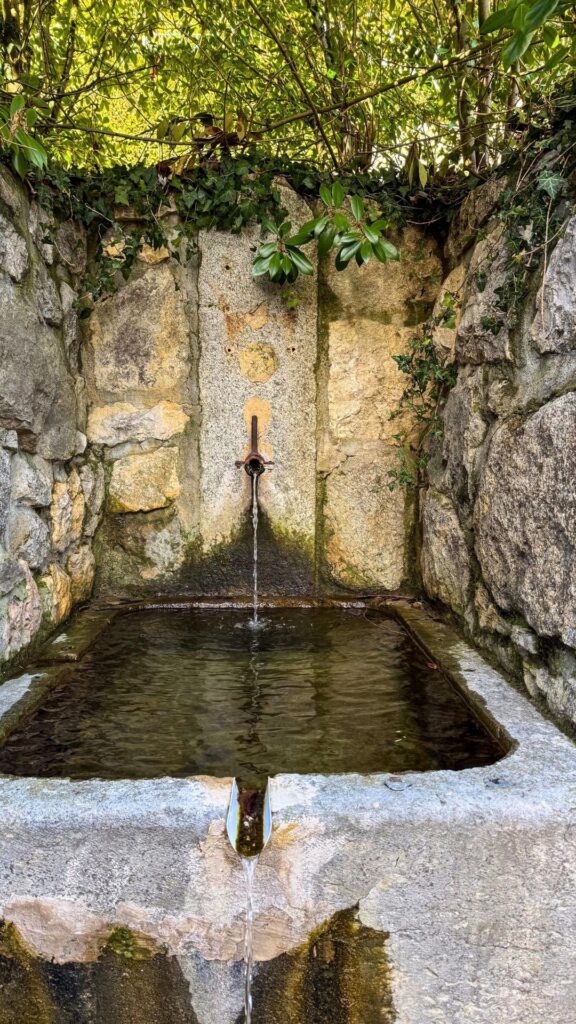
There’s a noticeable difference between a garden that’s constantly being rescued and one that’s quietly sustained.
A consistent water source — whether visible or hidden — removes a layer of strain from the space. Plants respond first, filling out and holding their shape. And then people feel it too, even if they can’t quite name why.
The garden feels less demanding.
Less reactive.
Easier to live with.
Good systems don’t make a garden impressive. They make it untroubled.
Water as Atmosphere, Not Ornament
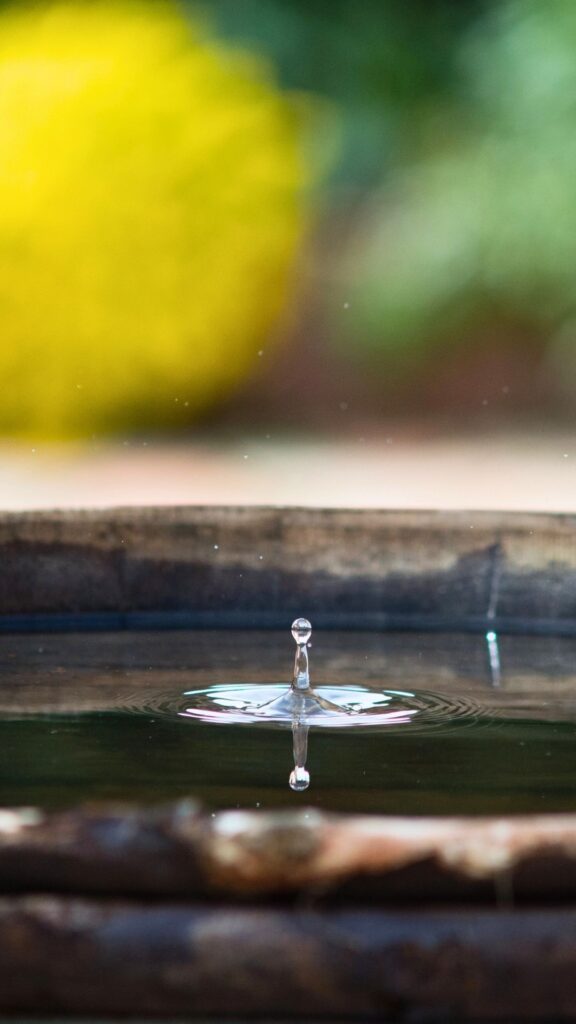
In small gardens, water works best when it stays subtle.
It might soften background noise.
Catch the light at certain hours.
Add a gentle rhythm you register without stopping to look.
Make everything else feel more alive.
It doesn’t need to dominate. In fact, it’s often better when it doesn’t.
Water becomes atmosphere rather than feature — something you sense before you consciously notice.
A Watered Garden

Scripture often describes a flourishing life as a well-watered garden.
Not dramatic.
Not overdesigned.
Just steady, supported, and quietly alive.
That image feels especially fitting for small gardens. These spaces don’t rely on abundance — they rely on care. On consistency. On systems that allow beauty to unfold without strain.
In that sense, water is less about decoration and more about provision.
Water doesn’t just help plants grow.
It slows a space down.
Softens edges.
Gives a garden permission to breathe.
And in small gardens — where every choice matters and every system shows — that quiet support makes all the difference.
You may not always notice water when it’s there.
But when it’s right, the entire garden feels it.
— Alcove


