


Before you buy a single plant, pull anything out, or call anyone in — stop.
Not because your instincts are wrong. Because the most expensive mistakes in a garden almost always happen in the first season, before you understand what you’re actually working with.
I’ve been designing gardens for over a decade. The clients who end up happiest are almost never the ones who moved fastest. They’re the ones who spent one full season watching before they changed anything. What they learned in that season saved them thousands of dollars and years of frustration.
Here’s the framework I wish I’d had when I started.
1. Start with the feeling, not the plants
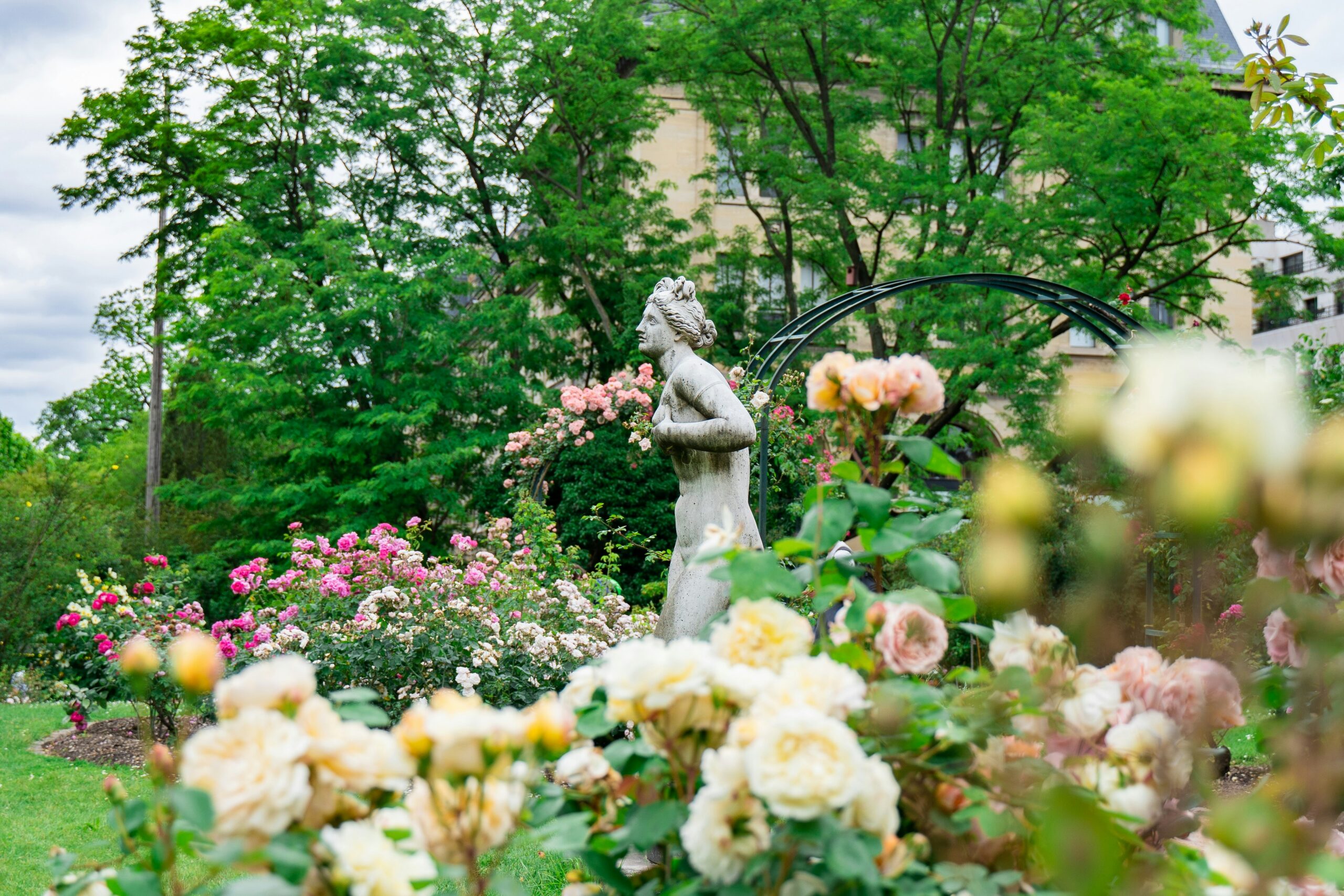
Photo: Daphne Be Frenchie
Before you choose anything, ask what you want your garden to give you.
Not what you want it to look like — what you want it to feel like. There’s a meaningful difference. A garden designed around a feeling will serve you for years. A garden designed around an aesthetic can look beautiful and still feel wrong every time you walk into it.
Spend some time with the images you’ve been saving. Not to copy them, but to understand what they have in common. Do the spaces feel enclosed or open? Dense or spare? Wild or composed? The pattern in what you save is telling you something specific about the feeling you’re after.
Write it down in one word if you can. Shelter. Abundance. Calm. That word becomes the lens for every decision that follows.
Related: How to Design a Small Front Garden (Beginner Edition)
2. Let your house lead

Stand at the edge of your property and look at your home as if you’re seeing it for the first time. Its lines, proportions, and materials are giving you design cues — and a garden that responds to them will always feel more considered than one that ignores them.
A house with clean contemporary lines often wants a garden with restraint and repetition — fewer plants, more structure, materials that echo what’s already there. A house with curves, age, and character often wants something more layered and relaxed — planting that looks like it arrived gradually rather than all at once.
Take a photograph from across the street. Trace the roofline, the windows, the path. Those shapes tell you where the eye naturally goes — and a well-designed garden works with that movement rather than against it.
3. Observe before you act
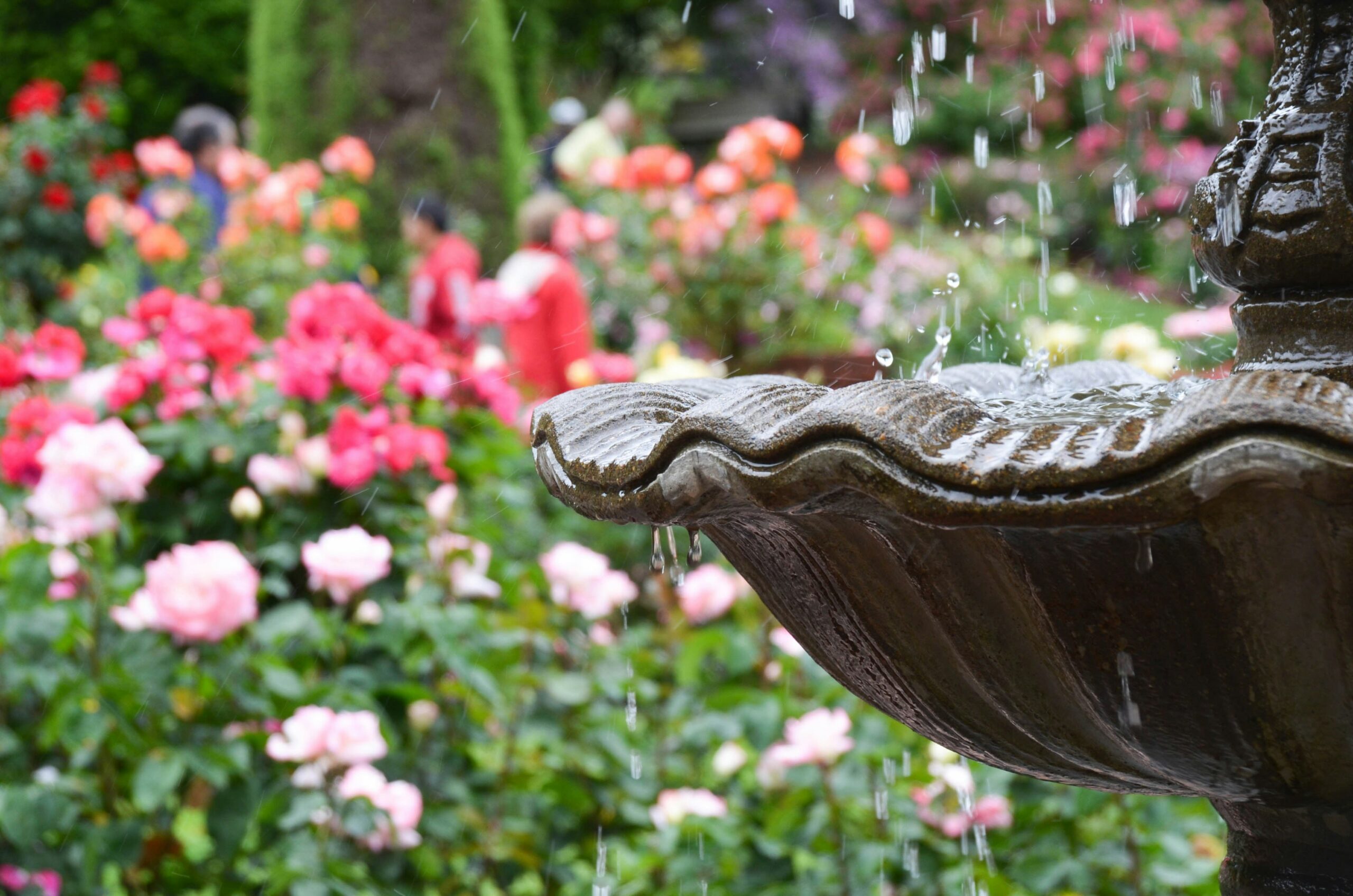
Photo: Jocelyn Hsu
Every garden has a personality before you arrive. It has light patterns that shift dramatically through the day and through the seasons. It has areas that drain well and areas that hold water long after rain. It has warm corners and wind tunnels and microclimates that will determine what thrives and what fails — regardless of how carefully you tend it.
None of this is visible on the day you move in. It reveals itself over time.
Watch where the light lands in the morning and where it disappears by afternoon. Walk the garden twenty-four hours after heavy rain and see where water still sits — those areas will defeat plants that need good drainage every time. Notice what’s already growing that you haven’t paid attention to yet. Bulbs that haven’t emerged. Perennials that look dead but aren’t. Plants that will surprise you if you give them time.
One full season of observation is worth more than any amount of planning on paper. It will save you from the two most common and most expensive garden mistakes — planting in the wrong conditions and removing things before you know what they are.
Related: Evergreens for Small Gardens: The Essential Guide
4. Define the framework before you plant anything
Once you understand your conditions and your feeling, think about how the space wants to be organized.
Every garden needs three things to feel intentional rather than accumulated: a path that guides movement, a focal point that gives the eye somewhere to rest, and a boundary that defines the space. These don’t have to be elaborate. A gravel path, a single beautiful urn, a low hedge — those three elements together will make almost any outdoor space feel designed.
A simple principle that works consistently: keep the entry open and layer toward the edges. The center of your garden should feel clear and navigable. The interest — the planting, the texture, the structure — builds at the perimeter. This creates depth without chaos and gives the space room to breathe.
5. Choose plants for your life, not an ideal version of it
Before you fall in love with a plant, ask how much time you actually want to spend caring for it. Not how much time you think you should spend — how much you actually will.
A garden that requires more maintenance than you have capacity for will start to feel like a source of guilt rather than pleasure. The most beautiful garden for you is the one that fits the life you’re actually living, not the one you’re imagining.
For year-round structure with minimal intervention, evergreens — boxwoods, dwarf conifers, ornamental grasses — give you something to look at in February when nothing else is. Layer in seasonal performers for the moments that matter: bulbs in spring, perennials through summer, seedheads and structure in autumn and winter.
Every plant in a small space has a starring role. Choose them accordingly.
6. Give yourself permission to evolve
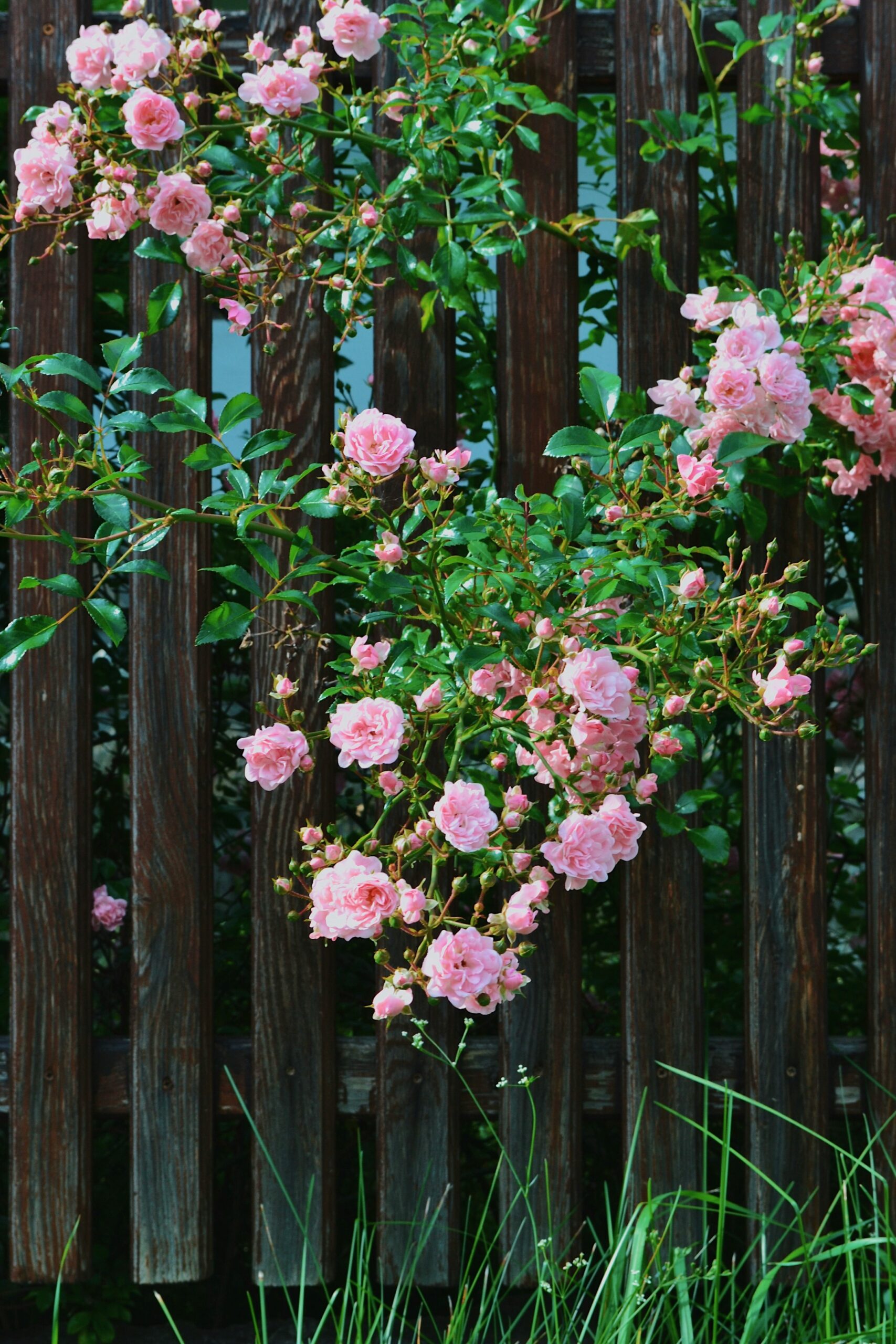
Photo: Ioana Cristiana
A garden is not a project you finish. It’s a relationship you develop over time.
Some parts will come together quickly. Others will take several seasons to find their balance. Plants that seemed wrong will surprise you. Things you were certain about will need reconsidering. That’s not failure — that’s how gardens work. They teach you on their own schedule.
The gardens that feel most right are almost always the ones that have been lived in and adjusted and slowly refined over years. They carry the evidence of a person paying attention. That quality — that sense of a space genuinely inhabited — is what no amount of money or speed can manufacture.
Start with curiosity. Work with what’s already there. Let each season show you something the last one didn’t.
7. Before you begin — a working checklist
Study the light patterns across at least one full season before planting. Notice where water sits after rain. Identify your dry zones — under overhangs, near foundations, beside paths. Define your feeling before your palette. Establish a path, a focal point, and a boundary before anything else. Choose plants for how you actually live, not how you imagine you will. Expect to revise. The best gardens always do.
If you want a framework for understanding what you’re actually looking for before you change anything, the 5-Day Garden Journey is where to begin. It’s free and it starts tomorrow.
Before you buy a single plant, pull anything out, or call anyone in — stop.
Not because your instincts are wrong. Because the most expensive mistakes in a garden almost always happen in the first season, before you understand what you’re actually working with.
I’ve been designing gardens for over a decade. The clients who end up happiest are almost never the ones who moved fastest. They’re the ones who spent one full season watching before they changed anything. What they learned in that season saved them thousands of dollars and years of frustration.
Here’s the framework I wish I’d had when I started.
1. Start with the feeling, not the plants
Photo: Daphne Be Frenchie
Before you choose anything, ask what you want your garden to give you.
Not what you want it to look like — what you want it to feel like. There’s a meaningful difference. A garden designed around a feeling will serve you for years. A garden designed around an aesthetic can look beautiful and still feel wrong every time you walk into it.
Spend some time with the images you’ve been saving. Not to copy them, but to understand what they have in common. Do the spaces feel enclosed or open? Dense or spare? Wild or composed? The pattern in what you save is telling you something specific about the feeling you’re after.
Write it down in one word if you can. Shelter. Abundance. Calm. That word becomes the lens for every decision that follows.
Related: How to Design a Small Front Garden (Beginner Edition)
2. Let your house lead
Stand at the edge of your property and look at your home as if you’re seeing it for the first time. Its lines, proportions, and materials are giving you design cues — and a garden that responds to them will always feel more considered than one that ignores them.
A house with clean contemporary lines often wants a garden with restraint and repetition — fewer plants, more structure, materials that echo what’s already there. A house with curves, age, and character often wants something more layered and relaxed — planting that looks like it arrived gradually rather than all at once.
Take a photograph from across the street. Trace the roofline, the windows, the path. Those shapes tell you where the eye naturally goes — and a well-designed garden works with that movement rather than against it.
3. Observe before you act
Photo: Jocelyn Hsu
Every garden has a personality before you arrive. It has light patterns that shift dramatically through the day and through the seasons. It has areas that drain well and areas that hold water long after rain. It has warm corners and wind tunnels and microclimates that will determine what thrives and what fails — regardless of how carefully you tend it.
None of this is visible on the day you move in. It reveals itself over time.
Watch where the light lands in the morning and where it disappears by afternoon. Walk the garden twenty-four hours after heavy rain and see where water still sits — those areas will defeat plants that need good drainage every time. Notice what’s already growing that you haven’t paid attention to yet. Bulbs that haven’t emerged. Perennials that look dead but aren’t. Plants that will surprise you if you give them time.
One full season of observation is worth more than any amount of planning on paper. It will save you from the two most common and most expensive garden mistakes — planting in the wrong conditions and removing things before you know what they are.
Related: Evergreens for Small Gardens: The Essential Guide
4. Define the framework before you plant anything
Once you understand your conditions and your feeling, think about how the space wants to be organized.
Every garden needs three things to feel intentional rather than accumulated: a path that guides movement, a focal point that gives the eye somewhere to rest, and a boundary that defines the space. These don’t have to be elaborate. A gravel path, a single beautiful urn, a low hedge — those three elements together will make almost any outdoor space feel designed.
A simple principle that works consistently: keep the entry open and layer toward the edges. The center of your garden should feel clear and navigable. The interest — the planting, the texture, the structure — builds at the perimeter. This creates depth without chaos and gives the space room to breathe.
5. Choose plants for your life, not an ideal version of it
Before you fall in love with a plant, ask how much time you actually want to spend caring for it. Not how much time you think you should spend — how much you actually will.
A garden that requires more maintenance than you have capacity for will start to feel like a source of guilt rather than pleasure. The most beautiful garden for you is the one that fits the life you’re actually living, not the one you’re imagining.
For year-round structure with minimal intervention, evergreens — boxwoods, dwarf conifers, ornamental grasses — give you something to look at in February when nothing else is. Layer in seasonal performers for the moments that matter: bulbs in spring, perennials through summer, seedheads and structure in autumn and winter.
Every plant in a small space has a starring role. Choose them accordingly.
6. Give yourself permission to evolve
Photo: Ioana Cristiana
A garden is not a project you finish. It’s a relationship you develop over time.
Some parts will come together quickly. Others will take several seasons to find their balance. Plants that seemed wrong will surprise you. Things you were certain about will need reconsidering. That’s not failure — that’s how gardens work. They teach you on their own schedule.
The gardens that feel most right are almost always the ones that have been lived in and adjusted and slowly refined over years. They carry the evidence of a person paying attention. That quality — that sense of a space genuinely inhabited — is what no amount of money or speed can manufacture.
Start with curiosity. Work with what’s already there. Let each season show you something the last one didn’t.
7. Before you begin — a working checklist
Study the light patterns across at least one full season before planting. Notice where water sits after rain. Identify your dry zones — under overhangs, near foundations, beside paths. Define your feeling before your palette. Establish a path, a focal point, and a boundary before anything else. Choose plants for how you actually live, not how you imagine you will. Expect to revise. The best gardens always do.
If you want a framework for understanding what you’re actually looking for before you change anything, the 5-Day Garden Journey is where to begin. It’s free and it starts tomorrow.


