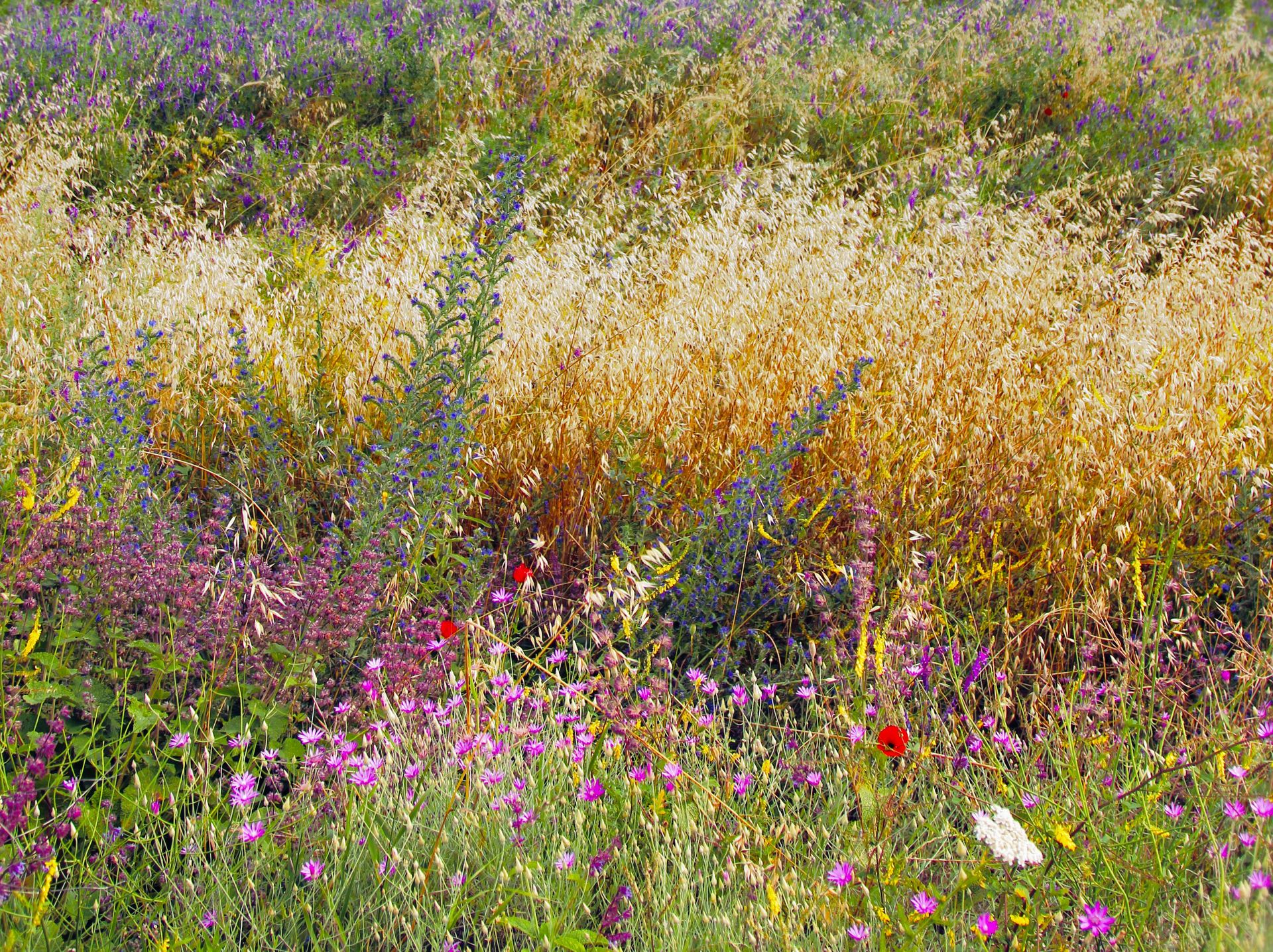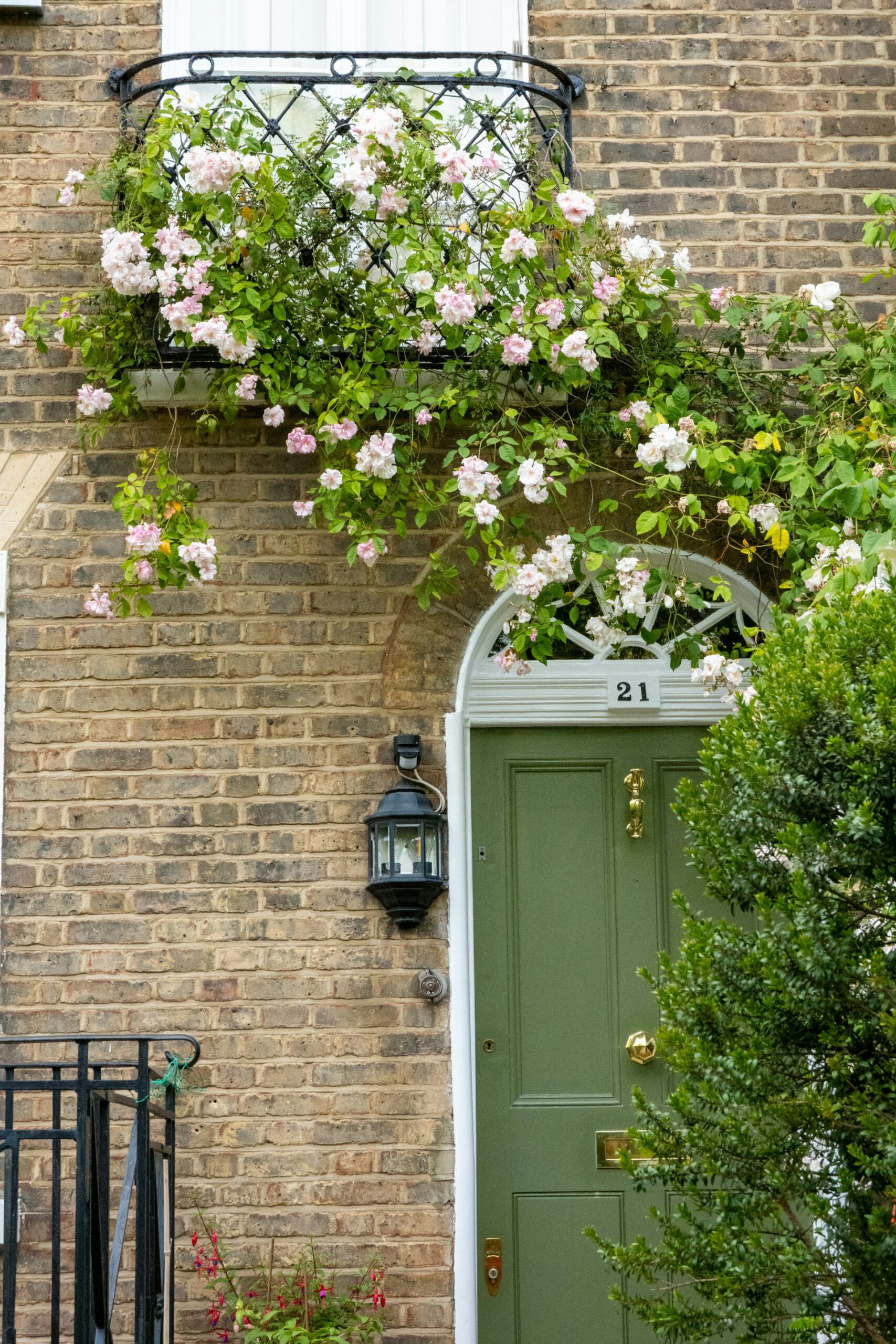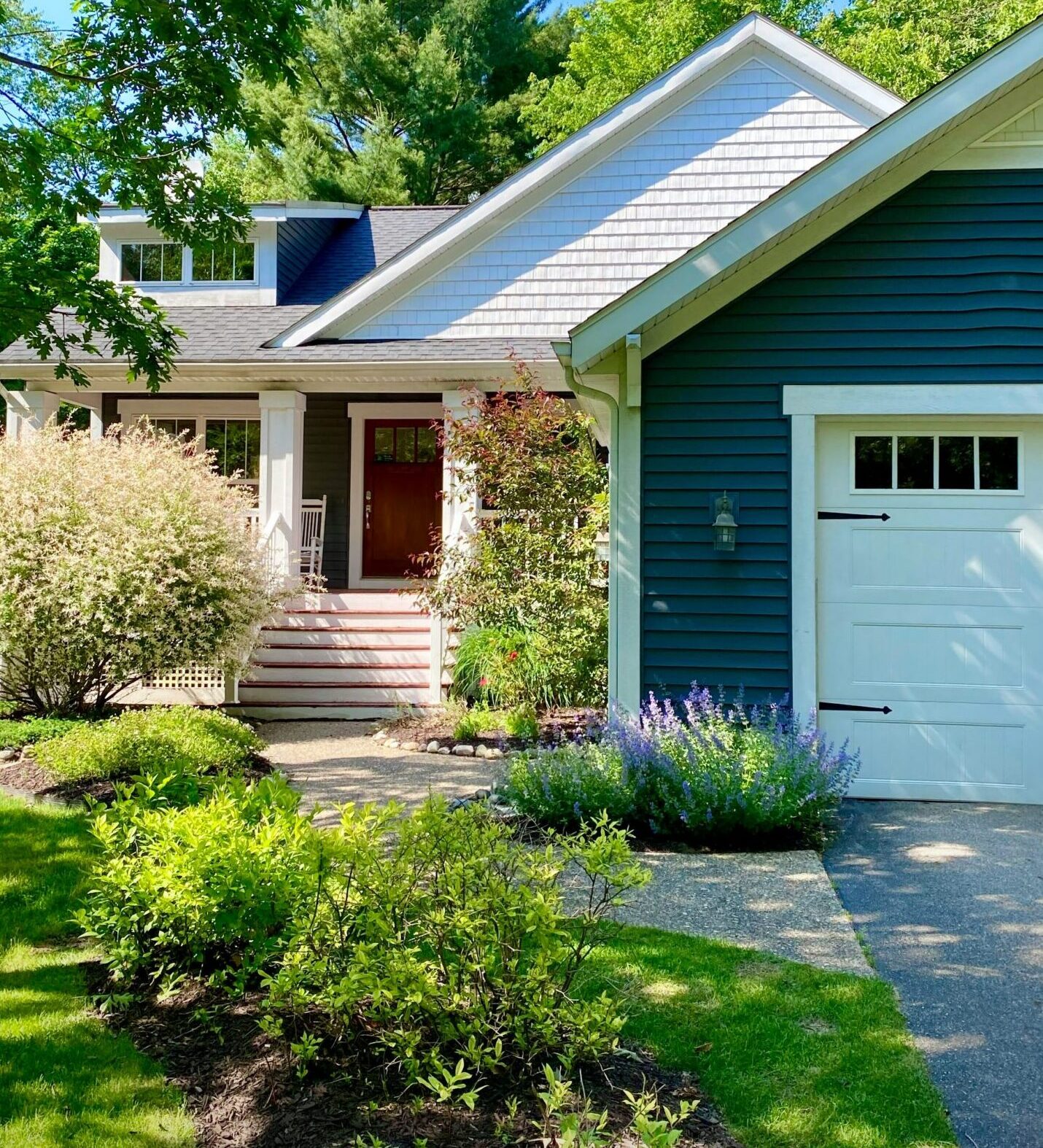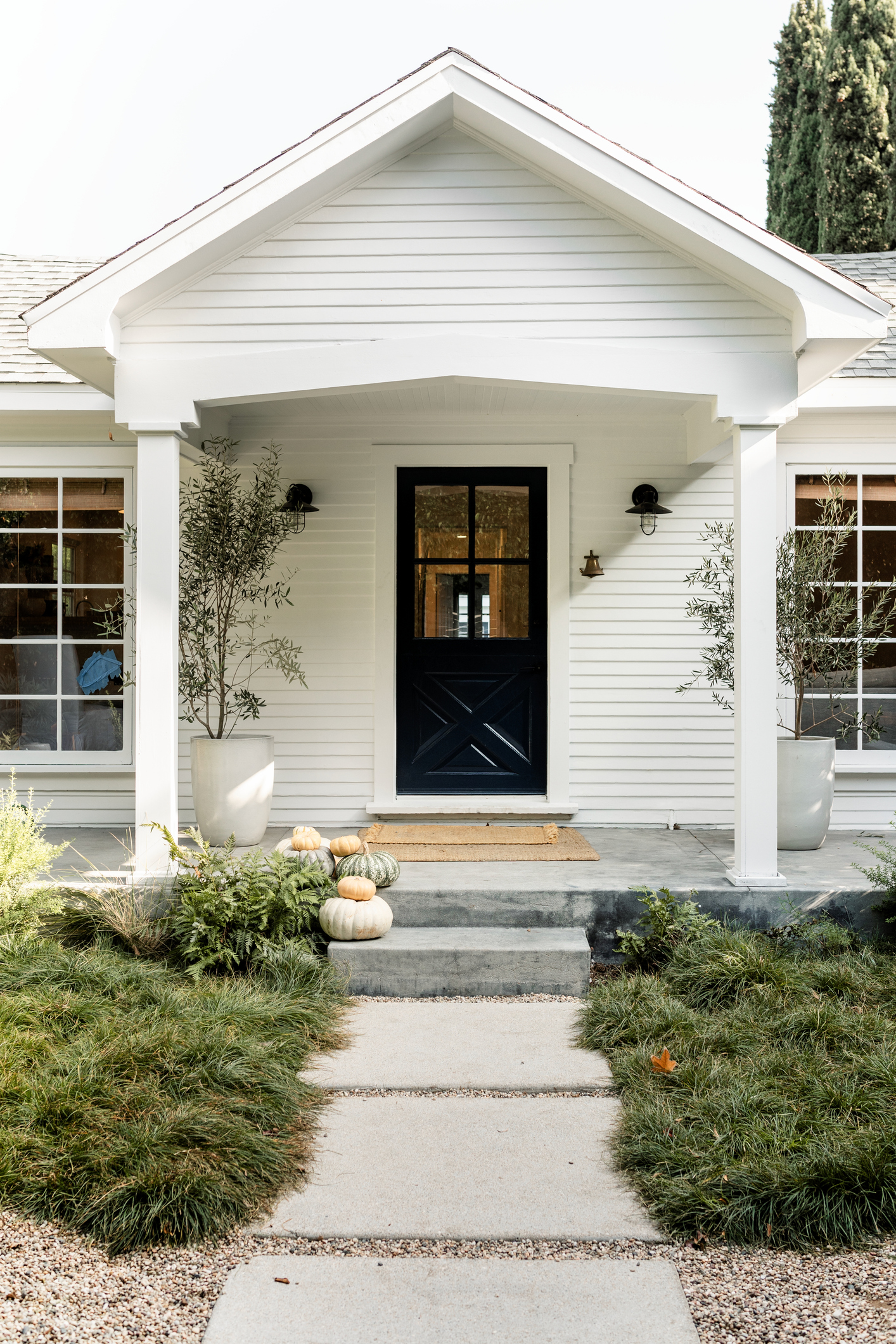
Four ways to get rid of the grass, prepare your soil, and make room for a beautiful naturalistic garden.
It’s early November here in Chicago, and we’ve had a surprisingly warm fall.
Temperatures are still hovering in the 50s and 60s, which means I have a little more time to figure out how I’m going to remove our front lawn.
If you read my last article, 6 Reasons to Choose a Naturalistic Matrix Garden for Your Small Front Yard, you know I’ve decided to replace our grass with a garden filled with ornamental grasses, flowering perennials, and a little formal structure.
But before I get to any of the pretty stuff, there’s the matter of removing the grass.
And as it turns out, there are several ways to go about it.
So, if you’re wondering how to remove a lawn and turn it into a beautiful garden, I’m going to talk about several methods to consider, each with its own advantages and drawbacks.
I’ve decided to do what might be the most labor-intensive option of all.
I’m going to remove it with a shovel.
Yes, a shovel.
Before you question my sanity, let me explain.
1. Removing Your Lawn With a Shovel
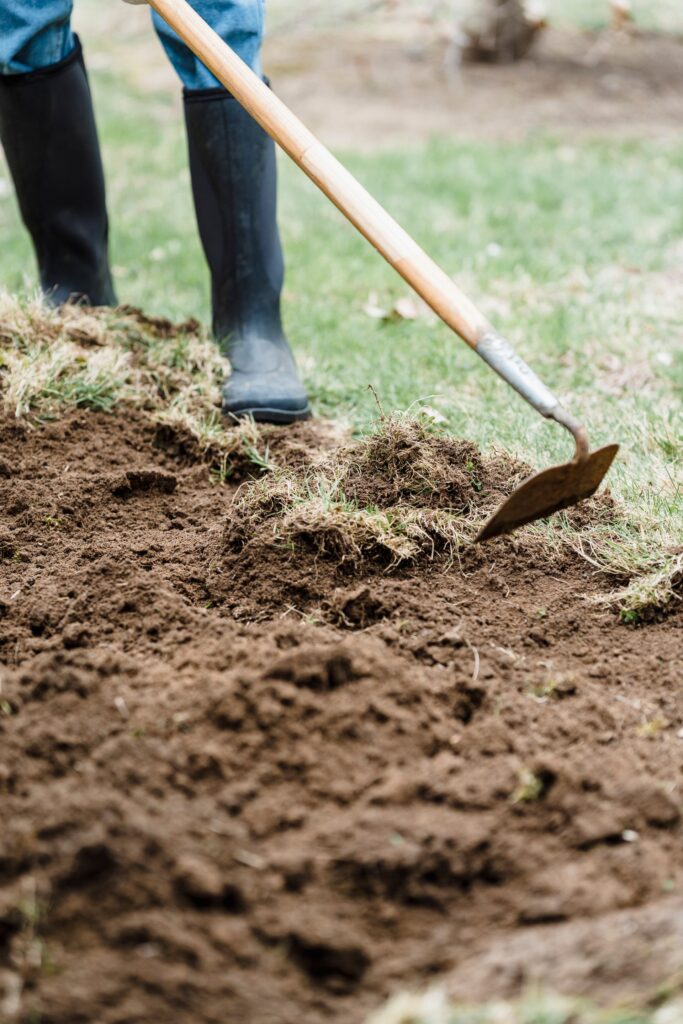
Our front lawn isn’t particularly large, so removing it by hand is something I’m willing to tackle.
The idea is to use a sharp, flat-edged spade to slice through the grass just beneath the roots, cutting the sod into manageable sections that I can lift and remove.
I’ll work in small areas rather than trying to tackle everything at once.
This certainly isn’t the quickest method. It will, however, help me get my daily workout in.
But I do have a few reasons for choosing it.
First, I want to lower the existing soil level slightly.
Our lawn currently sits close to the height of the sidewalk, and once I start adding mulch and eventually plants, I don’t want the finished planting bed sitting above the pavement.
During heavy spring rains, exposed soil and mulch can wash onto the sidewalk, particularly while new plants are still establishing their root systems.
I’d rather address that problem now than spend the next couple of growing seasons sweeping dirt off the sidewalk.
Removing the sod will give me a little room to work with.
Second, removing the sod gives me the opportunity to prepare the ground this fall and leave it covered until spring.
As I mentioned in my previous article, our lawn has a number of thistles, and I don’t want to give them a place in the new garden.
Of course, removing the grass won’t necessarily remove every underground weed root.
Some perennial weeds have extensive root systems and can return from pieces left in the soil.
So this is only the beginning of my weed-control efforts.
The downside: This method requires plenty of physical labor, and there’s the matter of disposing of all that sod.
Fortunately, I can bag it for collection in our area.
Before you begin, check whether your municipality accepts sod and soil with regular yard waste. Not all do.
If yours doesn’t, you may need to arrange separate disposal or hire someone to haul it away.
2. Renting a Sod Cutter
If the idea of removing your lawn with a shovel sounds absolutely dreadful, I understand.
You can rent a sod cutter instead.
A sod cutter is a machine designed to slice beneath the grass and separate the sod from the soil. You guide it across the lawn, cutting the grass into strips that can then be lifted and removed.
For a larger front yard, this could save a significant amount of time and physical effort.
But don’t assume renting the machine means the hard work is over.
You’ll still need to lift the sod, move it, and dispose of it.
And sod can be surprisingly heavy, particularly when the soil is wet.
If you already have a lawn-care service, you might ask whether they offer sod removal.
Some companies can cut and haul away the lawn for you.
And don’t be offended if they charge an additional fee for disposal. They have to pay to get rid of that material, too.
The advantage: You can remove a large area of lawn relatively quickly and retain more control over the finished grade.
The downside: Equipment rental, heavy sod removal, and disposal can add to the project’s cost. A sod cutter also isn’t ideal around tree roots, buried obstacles, or very uneven ground.
And just like digging by hand, removing sod doesn’t guarantee that every persistent weed root will be gone.
3. Leaving the Grass and Covering It
Now, if you’re not in a hurry, there’s an easier way.
You can leave the lawn right where it is and smother it.
You’ve probably seen this method online. It’s commonly called sheet mulching or the cardboard method.
You begin by mowing the existing grass as low as possible.
Then you cover it with overlapping pieces of plain cardboard, making sure there aren’t gaps where sunlight can reach the grass.
Remove any packing tape, labels, and staples first.
Once the cardboard is in place, wet it thoroughly to help it settle against the ground, then cover it with a generous layer of organic mulch.
You can also use several overlapping layers of plain newspaper instead of cardboard.
Newspaper generally breaks down faster, which can be helpful if you’re planning to plant in the spring and don’t want to deal with pieces of cardboard that haven’t fully decomposed.
The important thing is to overlap the paper well, wet it down, and cover it with enough mulch to keep it from blowing away or drying out.
The idea is that the paper or cardboard blocks sunlight from reaching the existing lawn, gradually weakening and killing the grass beneath it.
Meanwhile, the organic material begins breaking down and contributing to the soil.
And here’s why fall is such an appealing time to begin.
We typically wait until May, around Mother’s Day, to install tender plants here in Chicago.
That means if I cover the ground in November, I have roughly six to seven calendar months before my main spring planting season.
That’s a wonderful head start.
Of course, much of the decomposition will slow down when the ground freezes. And persistent perennial weeds may still push through, even after months beneath the mulch.
But for someone who wants to remove an ordinary lawn without all the digging, this can be an appealing approach.
The advantage: You avoid digging up and disposing of an entire lawn, and you can begin preparing the garden well before planting season.
The downside: The method takes time, raises the surface level, and may not adequately control deeply rooted perennial weeds on its own.
Which brings me back to why I’ve chosen the shovel.
4. Why the Height of Your Soil Matters
I think this is something worth considering before you decide which lawn-removal method to use.
Look at where your existing grass meets the sidewalk.
Is the lawn already level with the pavement? Does it sit slightly above it? Or is there room for additional material without raising the finished surface too high?
If you place cardboard and several inches of mulch directly over an existing lawn, you’re temporarily raising the surface of that area.
Eventually, some of the materials will settle and decompose.
But in the meantime, heavy rain can wash loose mulch and soil toward the sidewalk.
That’s something to consider in a newly planted garden where the roots haven’t yet grown together to help stabilize the soil.
For my front garden, I want the finished soil level to remain at or slightly below the sidewalk, while still maintaining proper drainage away from the house.
I’m also considering planting low-growing thyme along some of the sunny edges.
Once established, its roots could help stabilize the edge, while the plants would soften the transition between the walkway and the garden.
Of course, I’ll need to choose a thyme suited to our winters, soil, and sunlight. And it won’t prevent erosion immediately after planting.
That’s another reason to get the grading right before introducing the plants.
A beautiful garden should complement the house and the walkway, not create new drainage problems.
5. What About Using an Herbicide?
There’s another option that some homeowners choose: treating the existing lawn with a nonselective herbicide to kill the vegetation before planting.
For my garden, I’m choosing not to use Roundup.
I’m trying to create a garden that supports more life, and I’d prefer to begin without using an herbicide if I can manage the existing vegetation through physical removal and other methods.
I also want to be thoughtful about what I’m introducing into the landscape.
But I know other homeowners may make a different decision, particularly when they’re dealing with persistent perennial weeds.
If you choose to use an herbicide, make sure the product is specifically labeled for your intended use.
Read the entire label, follow the application instructions, and wear the protective clothing and equipment it requires.
Don’t assume that every product sold under the same brand name contains the same ingredients or has the same instructions.
Pay close attention to application conditions, nearby desirable plants, runoff, and any required waiting period before planting.
For my own front garden, I’m going to try the physical approach first.
6. Preparing the Ground for Spring
Once I’ve removed the sod, I want to cover the exposed ground and give it time before planting.
I’m planning to use organic leaf mulch, the kind you can purchase in bags from a garden center.
I may also put down a layer of newspaper first to help suppress weeds.
Originally, I was considering cardboard, but the more I think about it, the more I like the idea of newspaper.
It breaks down faster, and I’d rather not be digging through pieces of cardboard next spring when I’m ready to put the plants in the ground.
I’ll overlap several layers of newspaper, wet them thoroughly, and cover everything with the leaf mulch.
The mulch will help protect the exposed soil, moderate moisture, and suppress some weed germination as the organic material gradually breaks down.
And because I’m dealing with thistle, I’ll be watching carefully for any shoots that emerge.
A layer of newspaper or mulch won’t necessarily eliminate an established network of perennial weed roots.
I’ll have to be persistent about removing new growth to gradually weaken any surviving root systems.
I’m not expecting one autumn of preparation to solve every weed problem.
What I am hoping for is a much better starting point.
By the time spring arrives, I should have a planting area that’s been protected through the winter, with some of the organic material beginning to break down.
I’ll check for any remaining weeds and see how much of the newspaper has decomposed before planting.
Then I can begin introducing the structural plants, matrix layer, and seasonal flowers that will eventually occupy the space.
And once those plants become established, they’ll begin doing some of the work themselves by covering the ground and competing with unwanted seedlings.
But that takes time.
So Which Method Should You Choose?
If you’re considering replacing your own small front lawn, I’d start with three questions.
How quickly do you want to plant?
If you’re hoping to begin planting almost immediately, removing the sod manually or mechanically may make more sense.
If you have several months before planting, sheet mulching could be worth considering.
What’s growing in your lawn now?
An ordinary patch of grass is one thing. A lawn filled with persistent perennial weeds is another.
Identify the weeds you’re dealing with before assuming that covering the lawn will solve the problem.
What will happen to the finished soil level?
Take a look at your sidewalks, steps, foundation, and existing plants.
Whatever method you choose, you want to preserve proper drainage and avoid creating a raised planting surface that sends soil and mulch onto neighboring pavement.
For my front yard, removing the sod by hand feels like the right choice.
It gives me control over the grade and several months to cover and prepare the ground before spring planting.
Will I regret choosing a shovel when I’m halfway through?
Possibly.
But I’ve already spent enough time and money maintaining a lawn I don’t particularly want.
A little hard work this fall seems like a reasonable investment in a garden I’d actually love to have.
And once the grass is gone, the really fun part begins.
Choosing the plants.