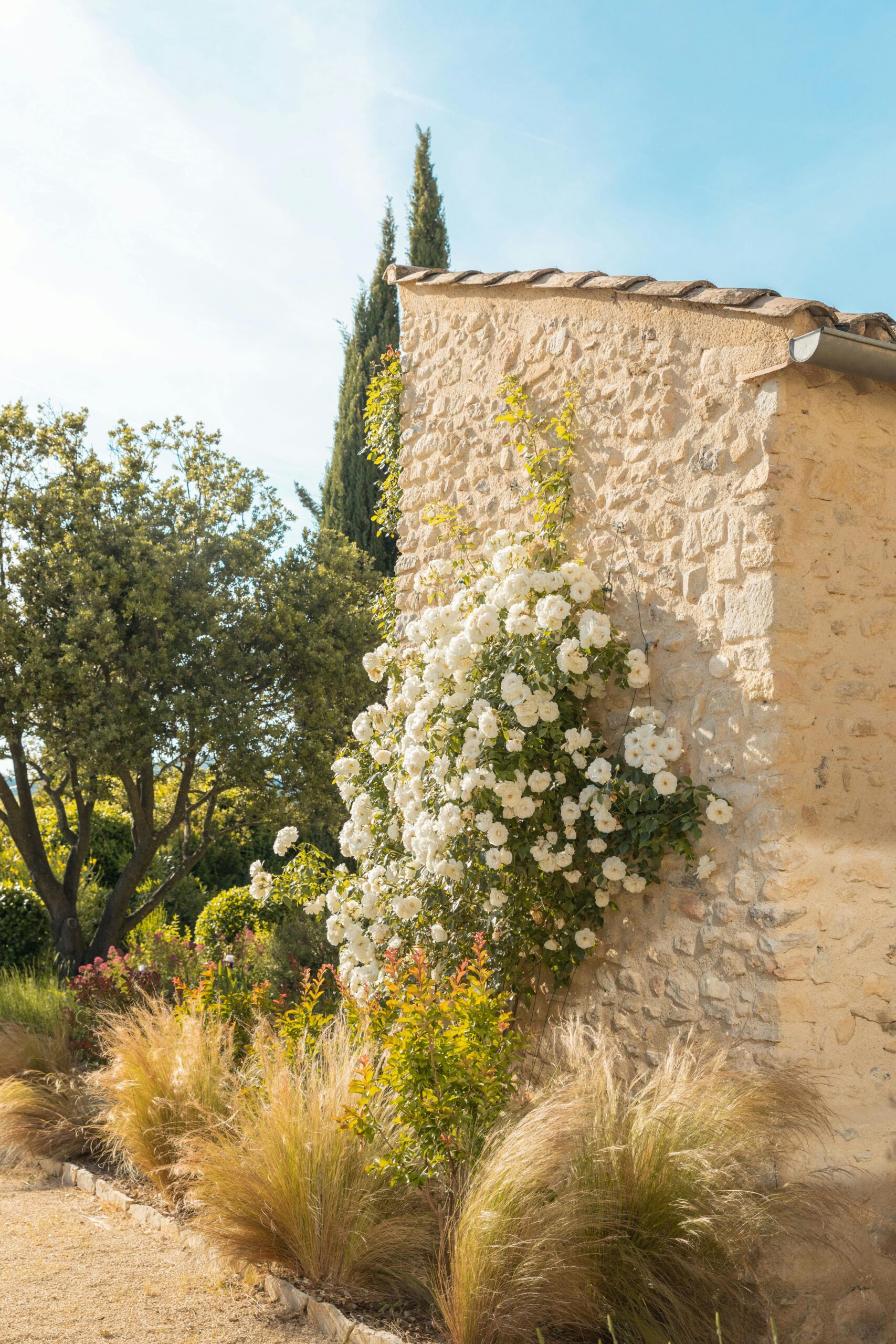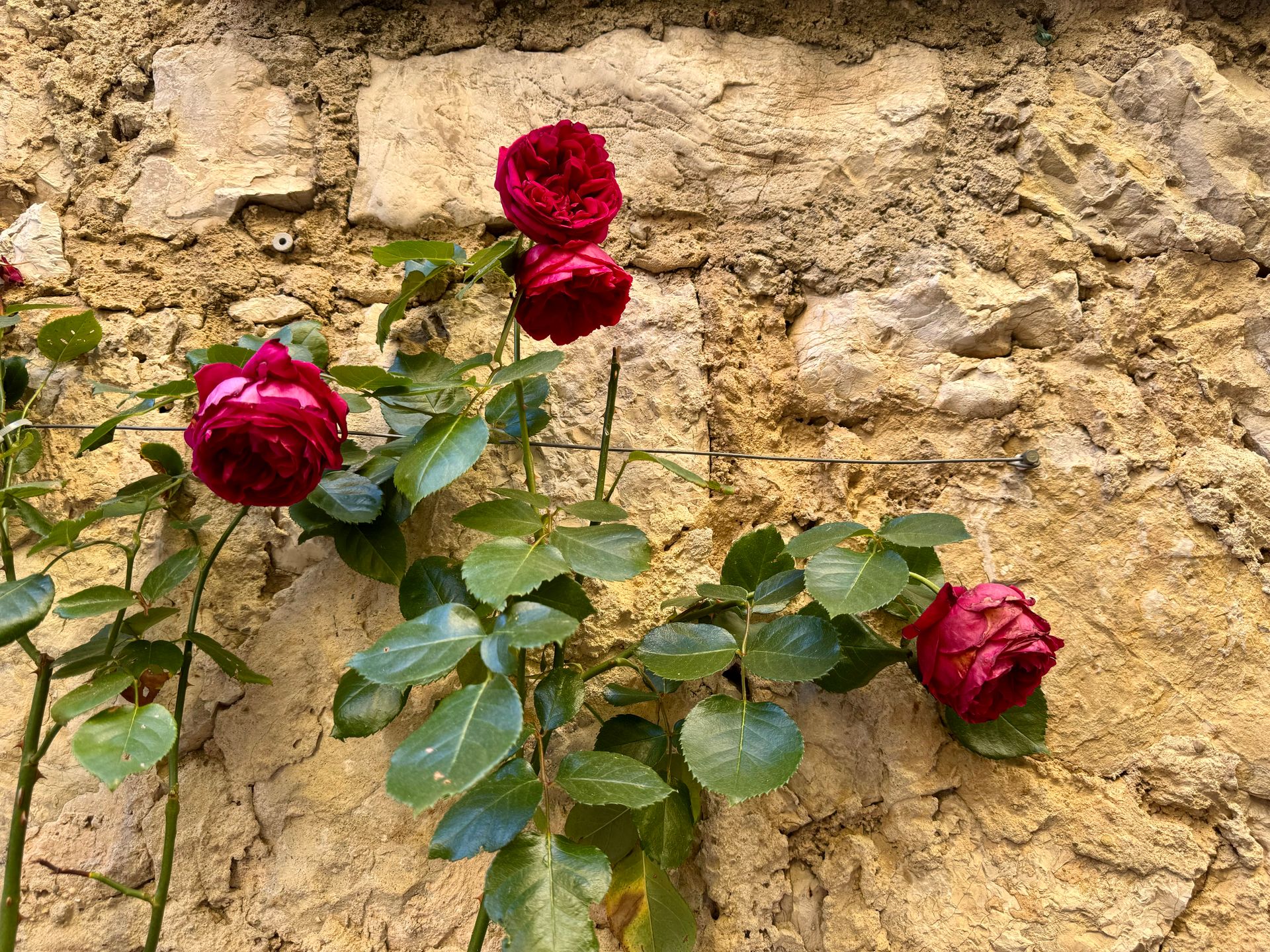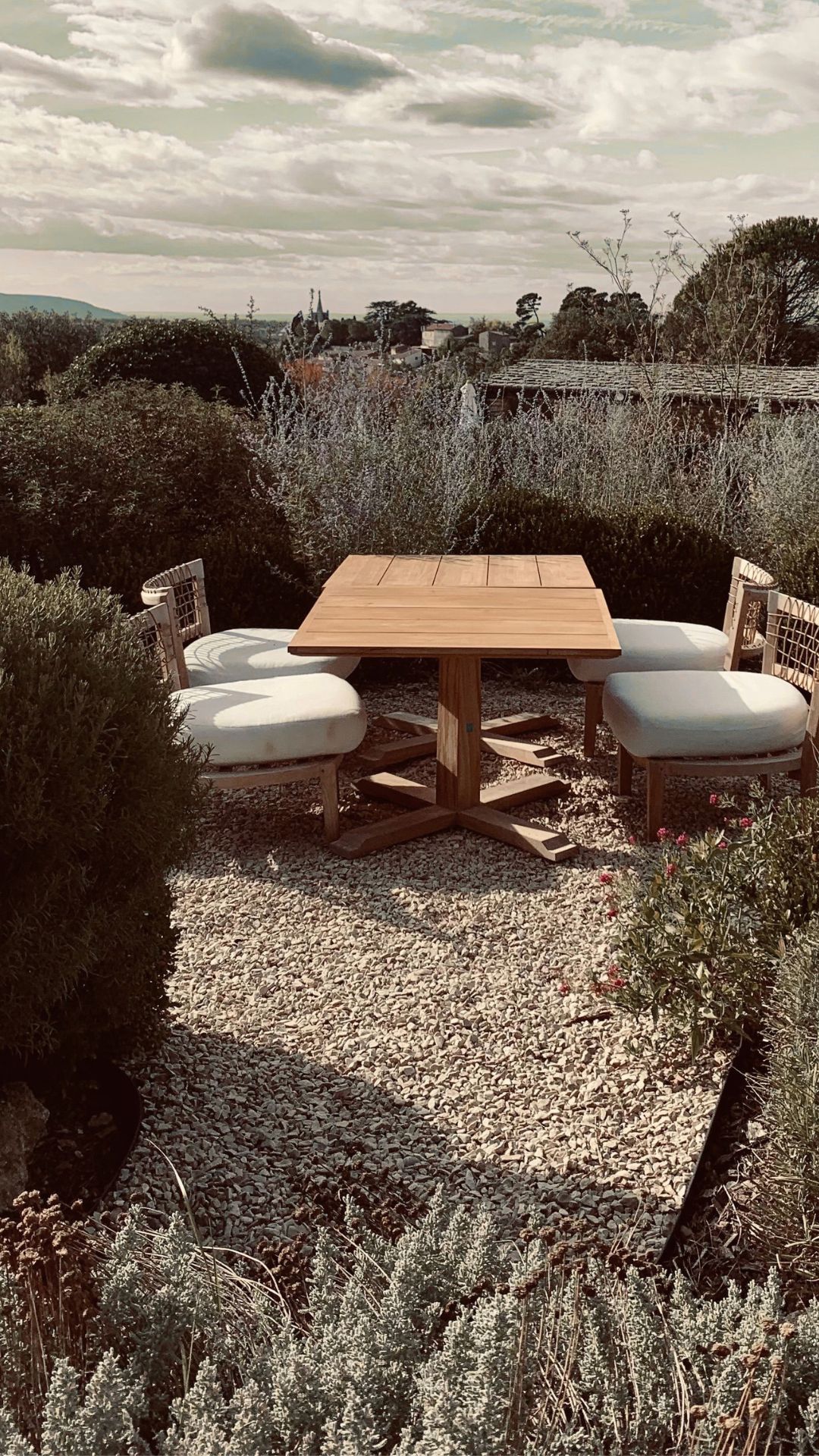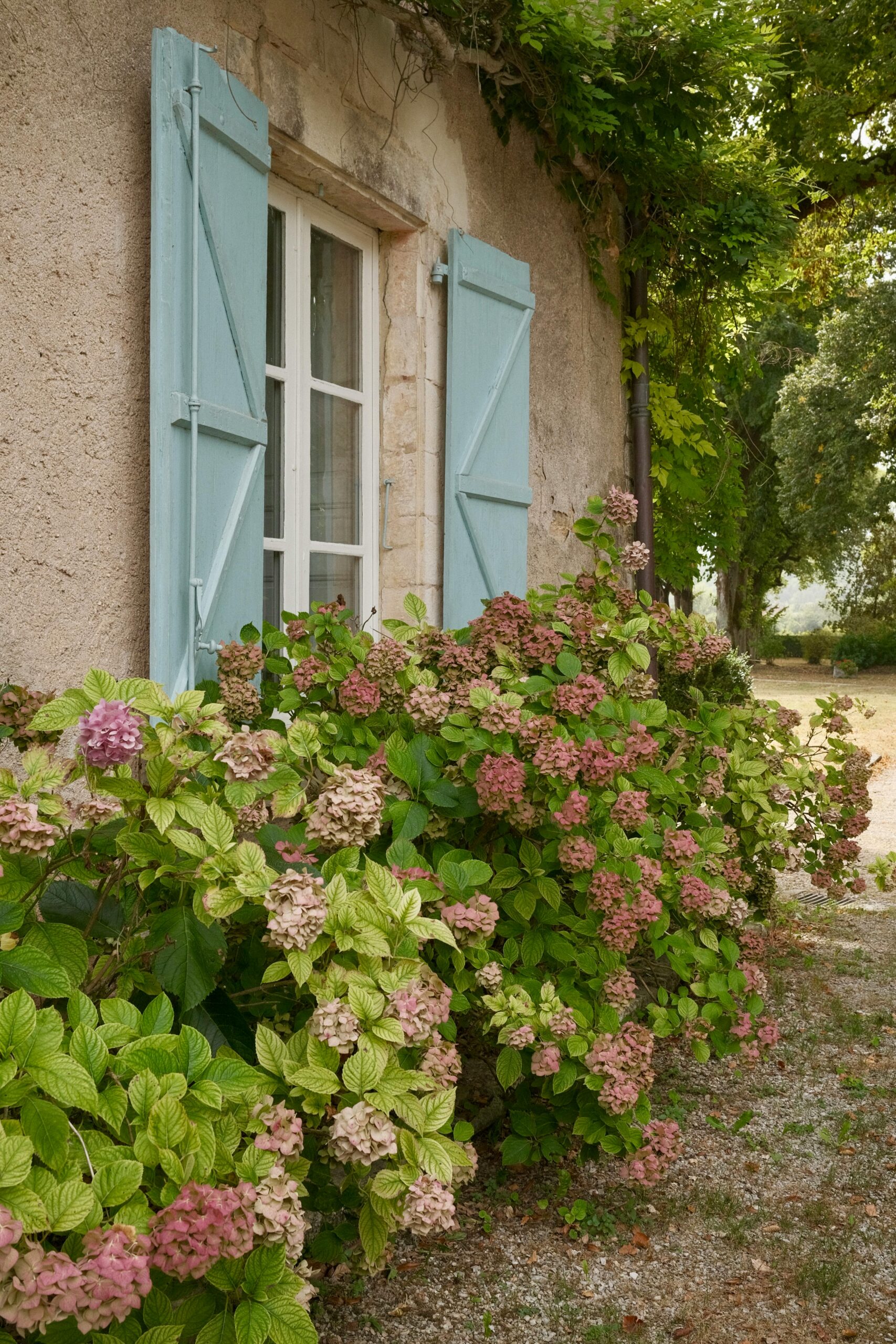
I turned fifty in the South of France in a beautiful French country garden.
It wasn’t a grand plan. It became one.
Over ten days I wandered through Ajaccio, Marseille, and Aix-en-Provence, walking slowly through streets I didn’t know, stopping whenever something caught my eye, eating lunch wherever looked right. I thought I was celebrating a birthday. Instead, I found myself studying.
Not the famous gardens.
The ordinary ones.
The terrace in a Corsican hillside village. A weathered iron gate opening onto white climbing roses. Gravel that looked as though it had always belonged beneath your feet. Places that stayed with me long after I’d walked away.
As a landscape designer, I couldn’t stop asking myself one question.

Why do these gardens stay with us long after we’ve gone home?
At first, I assumed the answer was the plants. Lavender. Olive trees. Climbing roses. But the more I looked, the more I realized those were only the surface.
What I kept finding underneath was something much more useful than a plant palette.
The gardens themselves looked very different from one another. Some overlooked the Mediterranean. Others sat quietly in mountain villages. Yet beneath all of them, I kept seeing the same six principles repeated in different ways.
The first was the realization that changed everything: the feeling wasn’t coming from the plants. The five that followed explained why.
Once I noticed them, I couldn’t stop seeing them.
Continue decoding the Mediterranean
This article introduces the six principles I kept finding in the South of France.
If you’d like to go deeper, Issue No. 03: The Mediterranean Courtyard explores how these same principles appear across France, Italy, Spain, Morocco, and Greece through real gardens, conversations with designers, and examples you can adapt wherever you live.
→ Read Issue No. 03: The Mediterranean Courtyard

1. The feeling wasn’t coming from the plants
This is the part that surprises most people, and it’s the reason so many attempts to recreate a French garden don’t quite land.
You come home from Provence, buy lavender, white roses, and a clipped boxwood, and something still feels missing. The garden looks right in pieces but doesn’t feel right as a whole.
That’s because what you experienced wasn’t a plant palette.
It was a place.
Places are made of surfaces, age, enclosure, and the relationship between inside and outside long before a single plant is chosen.
Once I understood that, the gardens began making sense.
2. The surfaces came first
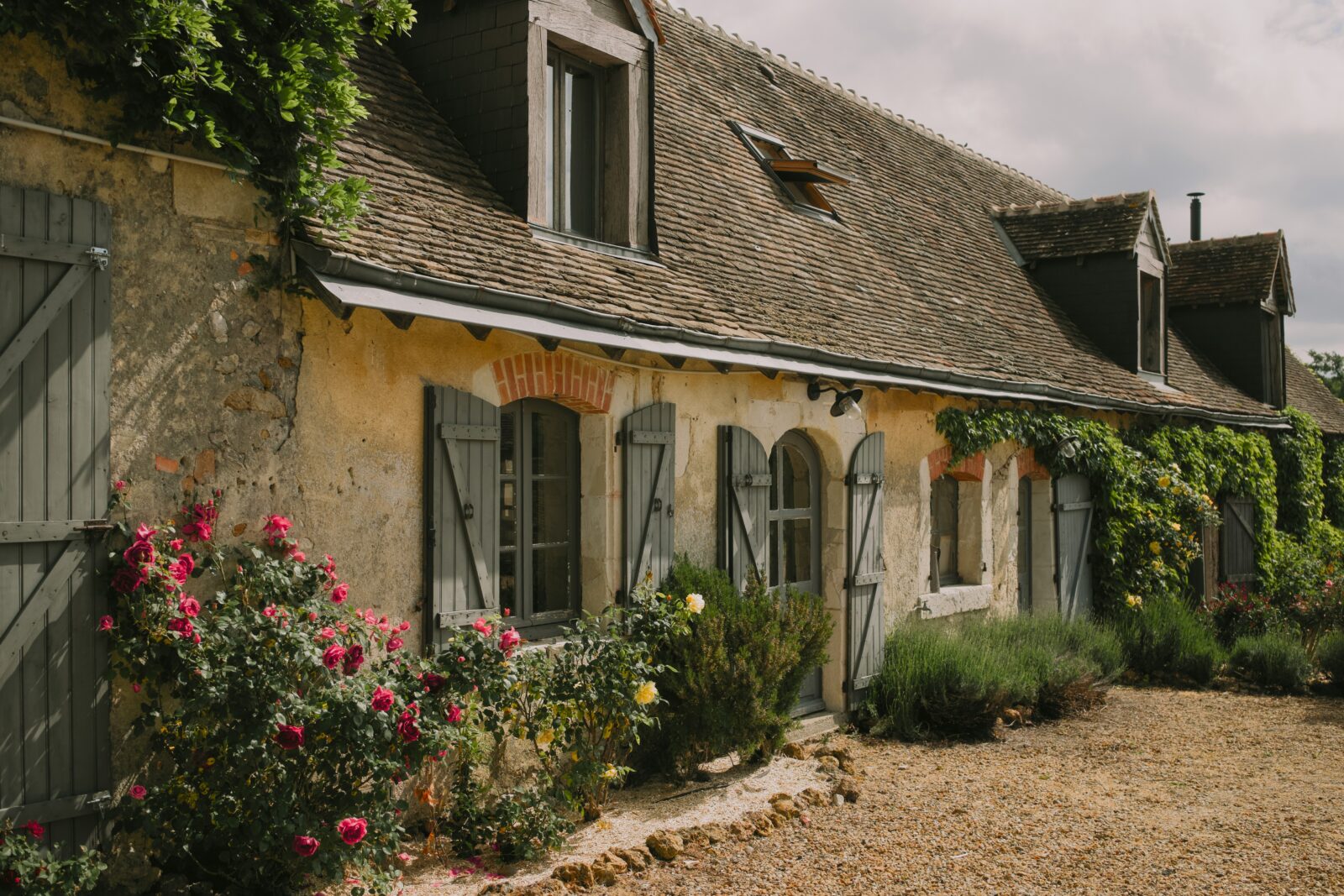
Photo by: Erwan Hesry
Every garden that caught my eye had a ground plane that looked like it belonged to the earth.
Stone steps worn smooth at the center. Terracotta tile that had absorbed decades of summer heat. Gravel the color of the local limestone. These materials weren’t chosen from a catalog. They were quarried nearby, laid by hand, and left alone long enough to become part of the landscape.
That is what gave them their unmistakable feeling of belonging.
You don’t need the same stone to recreate that feeling.
You need the same principle.
Choose natural materials that make sense where you live. Let your local stone be your local stone. Resist perfectly uniform pavers and stamped concrete that tries to imitate something else. A surface should feel rooted in its place, even if it was installed last season.
3. The age was doing the work
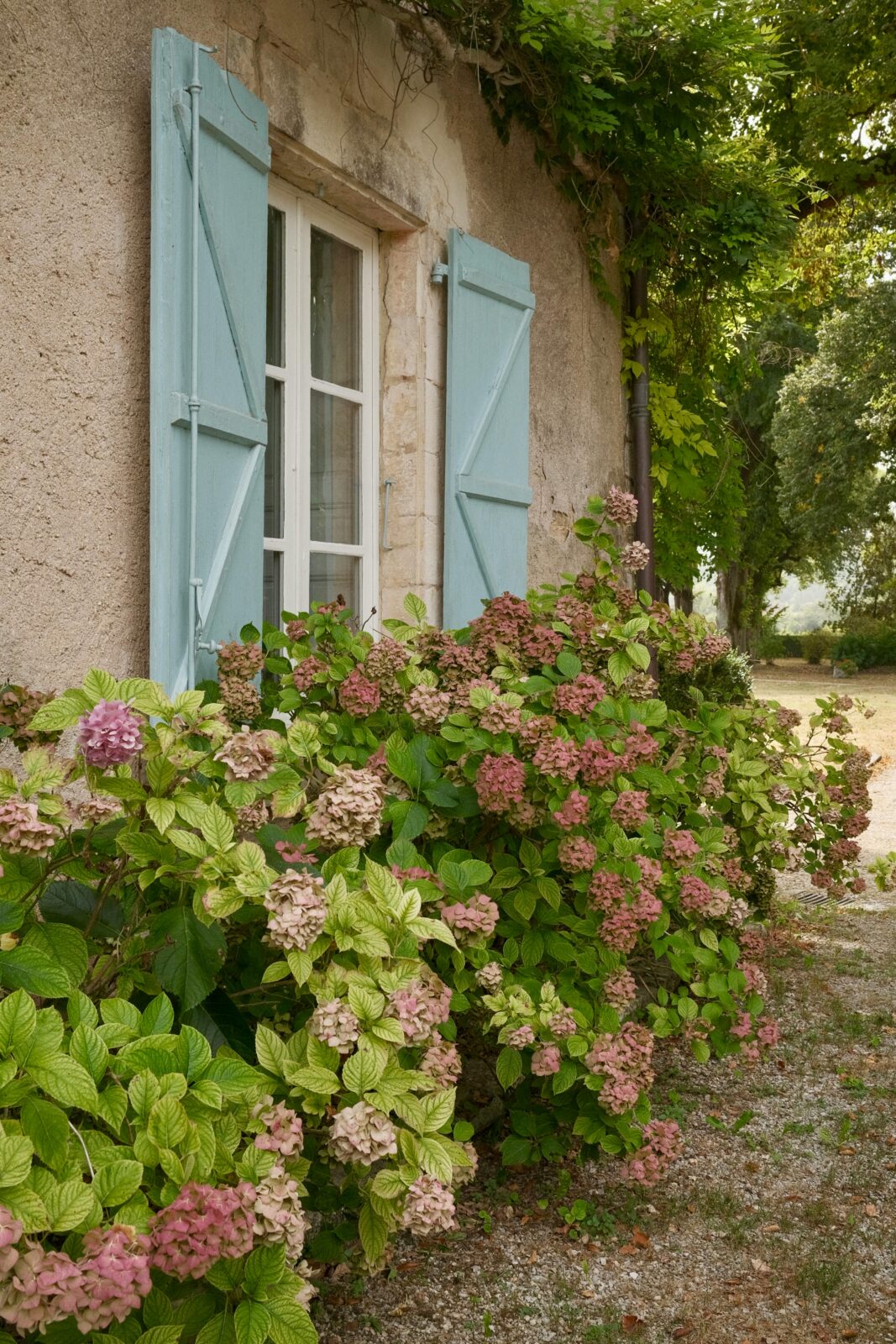
Photo by: Adrien Daurenjou
That peeling green gate in Corsica wasn’t beautiful despite its age.
It was beautiful because of it.
The rust showing through the paint. The slight lean of the post. The worn granite steps leading to the entrance. Those weren’t imperfections waiting to be fixed. They were the details that made the garden feel inhabited rather than decorated.
You can’t manufacture three hundred years of history.
You can, however, choose materials that become more beautiful over time. Iron instead of aluminum. Terracotta instead of resin. Limestone instead of concrete. Then allow those materials to develop character instead of replacing them the moment they weather.
Some of the most memorable gardens in the world simply look like they’ve lived a long life.
Continue Creating Your South of France Garden
If these ideas are changing the way you see French gardens, you’re going to love what we’re building.
The South of France Garden Guide goes beyond the six principles with step-by-step guidance, photographs, design sketches, and practical ways to recreate the feeling wherever you live.
Join the waitlist to get early access and help shape the guide before it’s published.
4. The enclosure was everything
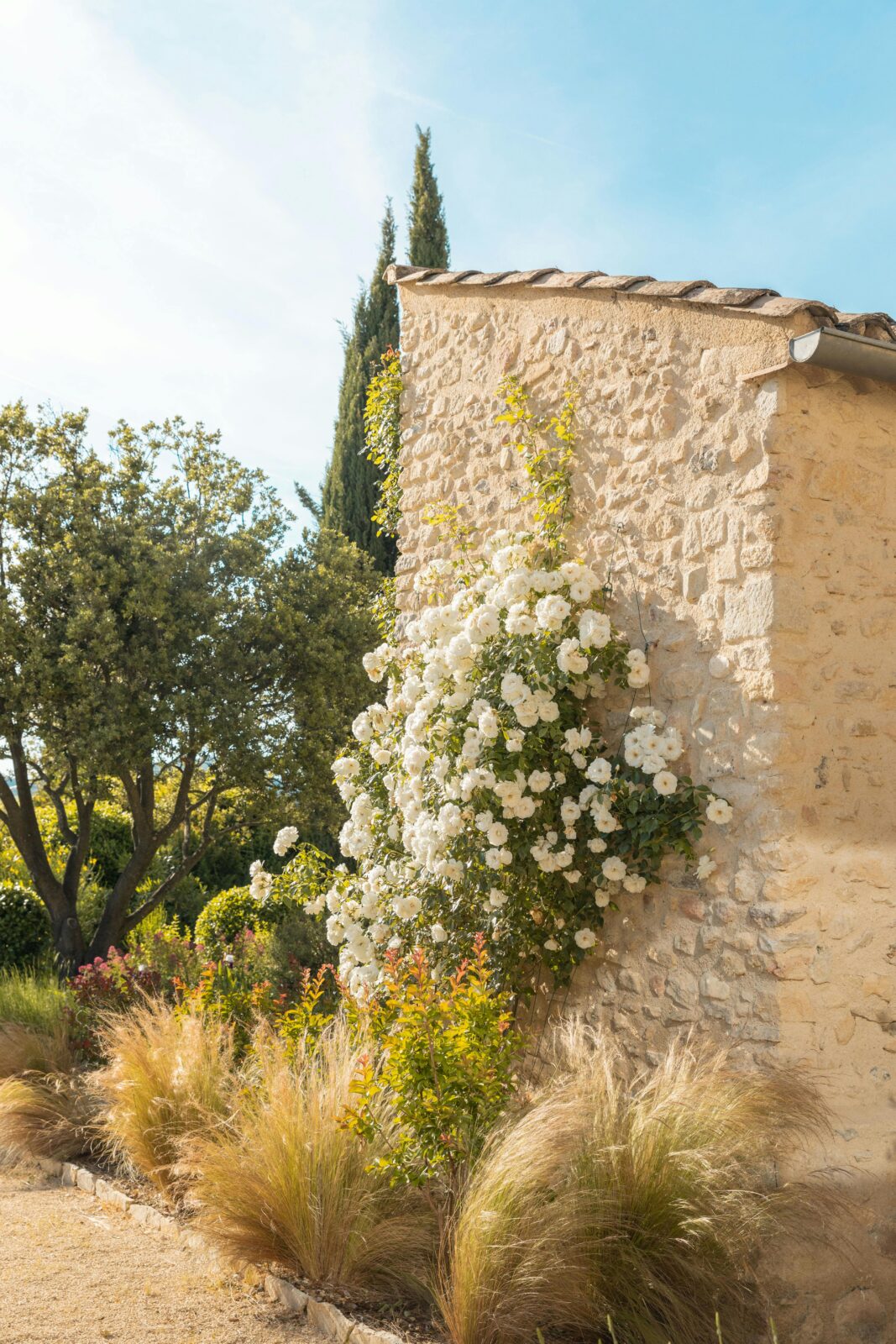
Photo by: Ryan Klaus
The gardens I loved most weren’t open to the street.
They were held together by walls, hedges, fences, or the buildings themselves. Sometimes you caught only a glimpse through a gate or over a low wall. That mystery wasn’t keeping people out.
It was protecting the atmosphere inside.
Enclosure changes the way a space feels more dramatically than almost anything else you can add.
A low stone wall.
A simple iron gate.
A hedge of hornbeam or yew.
You don’t need to enclose an entire property. Even defining one edge creates a sense of destination. The eye settles, and the garden begins to feel like somewhere rather than anywhere.
5. The plants were restrained and repeated
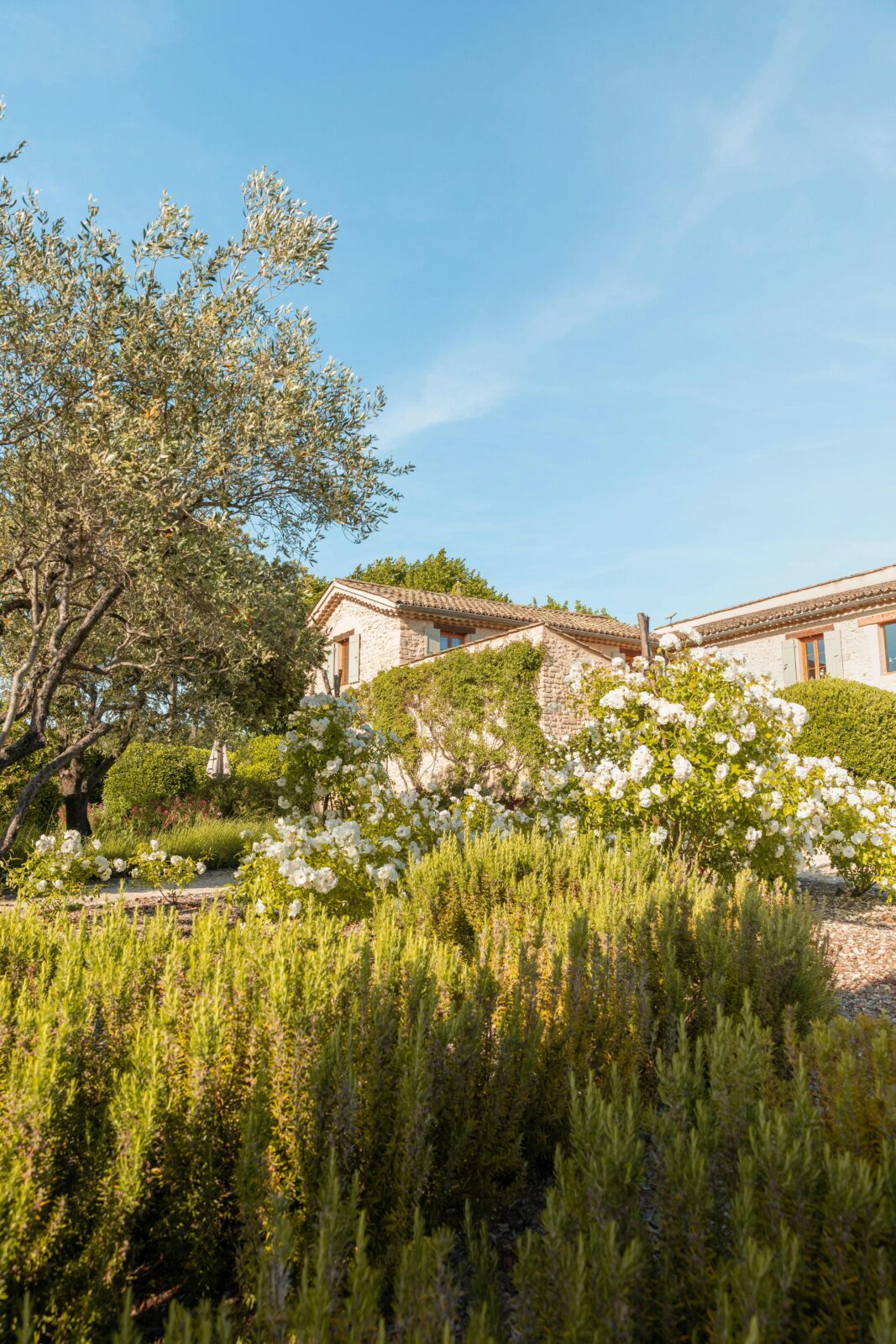
Photo by: Ryan Klaus
When I looked closely, the plant palette was remarkably simple.
White roses repeated throughout the garden. Red geraniums repeated in window boxes. Lavender planted generously rather than sprinkled throughout. One clipped shrub acting as punctuation instead of a collection of unrelated specimens.
The restraint was what made each plant matter.
French gardens rarely rely on endless variety. Their abundance comes from repetition, rhythm, and confidence.
That’s perhaps the hardest lesson to embrace because every visit to the nursery offers another temptation.
One more color, perennial, or interesting shrub.
But memorable gardens are usually edited far more than they’re expanded.
6. The connection between inside and outside was assumed
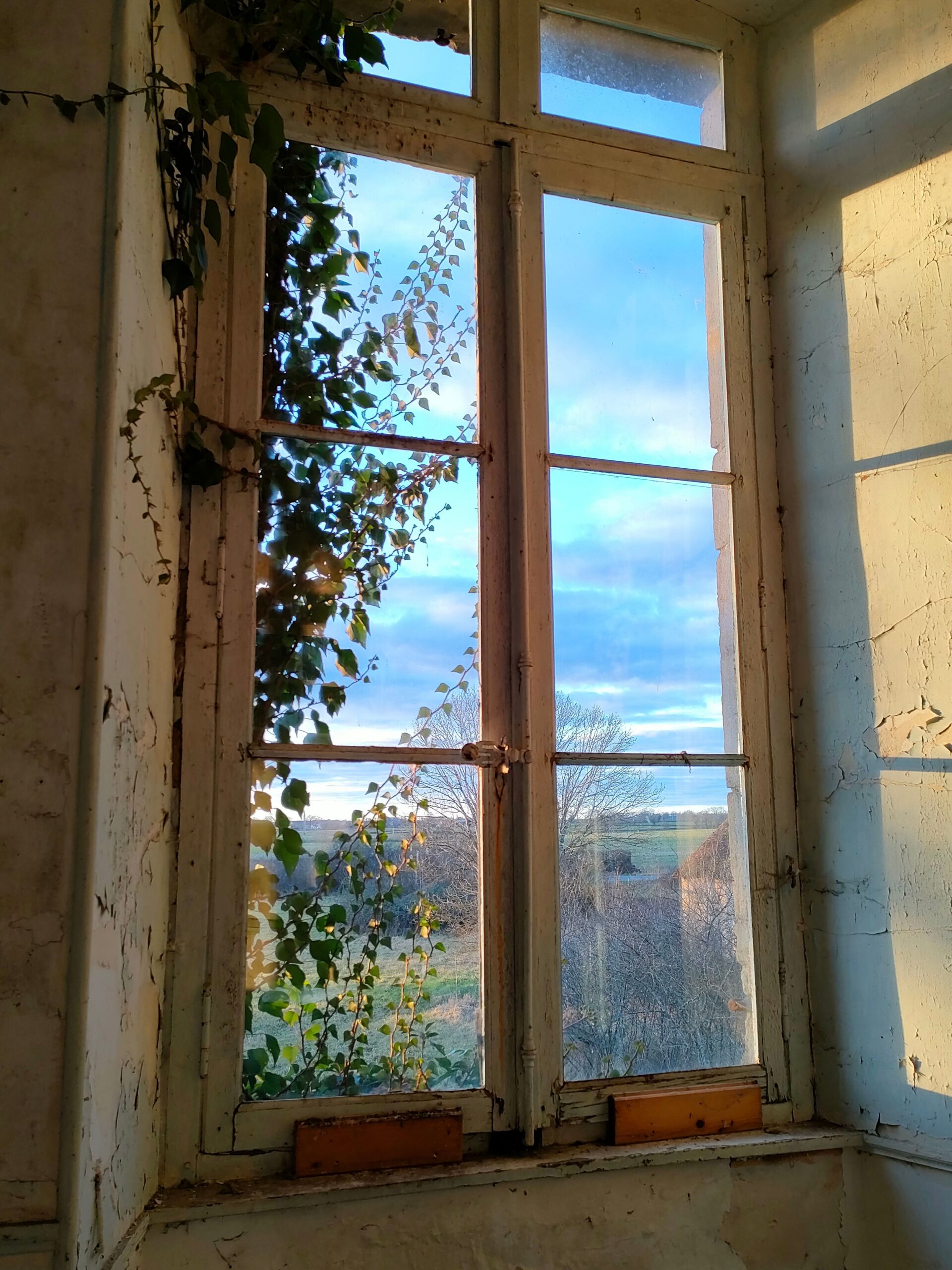
Julie Ferreira
In every home I glimpsed through an open window or doorway, the garden wasn’t separate from daily life.
It continued it.
A small café table positioned where the morning light arrived first. A window box visible while standing at the kitchen sink. A chair placed beneath a tree because someone actually sat there.
These gardens weren’t designed to impress visitors. They were designed to be lived in. That’s the question worth asking in your own garden.
Where do you see it most often?
Which window frames your favorite view?
Where do you drink your morning coffee?
Design for those moments first. Everything else becomes easier after that.
You don’t need to copy Provence
The South of France impressed me because it wasn’t trying to impress anyone.
Its gardens felt honest. Natural materials, simple planting, age that had been allowed to accumulate, enclosure that created intimacy, and outdoor spaces woven naturally into everyday life.
Those ideas aren’t exclusive to Provence.
They work just as well in Vermont, Texas, Oregon, or wherever you happen to garden.
What changes is the expression.
The principle stays the same.
That’s what Alcove exists to do.
Not to help you copy beautiful gardens, but to help you understand why they move you in the first place. Once you can decode the principles beneath the surface, you can recreate the feeling in a way that belongs to your own climate, your own home, and your own life.
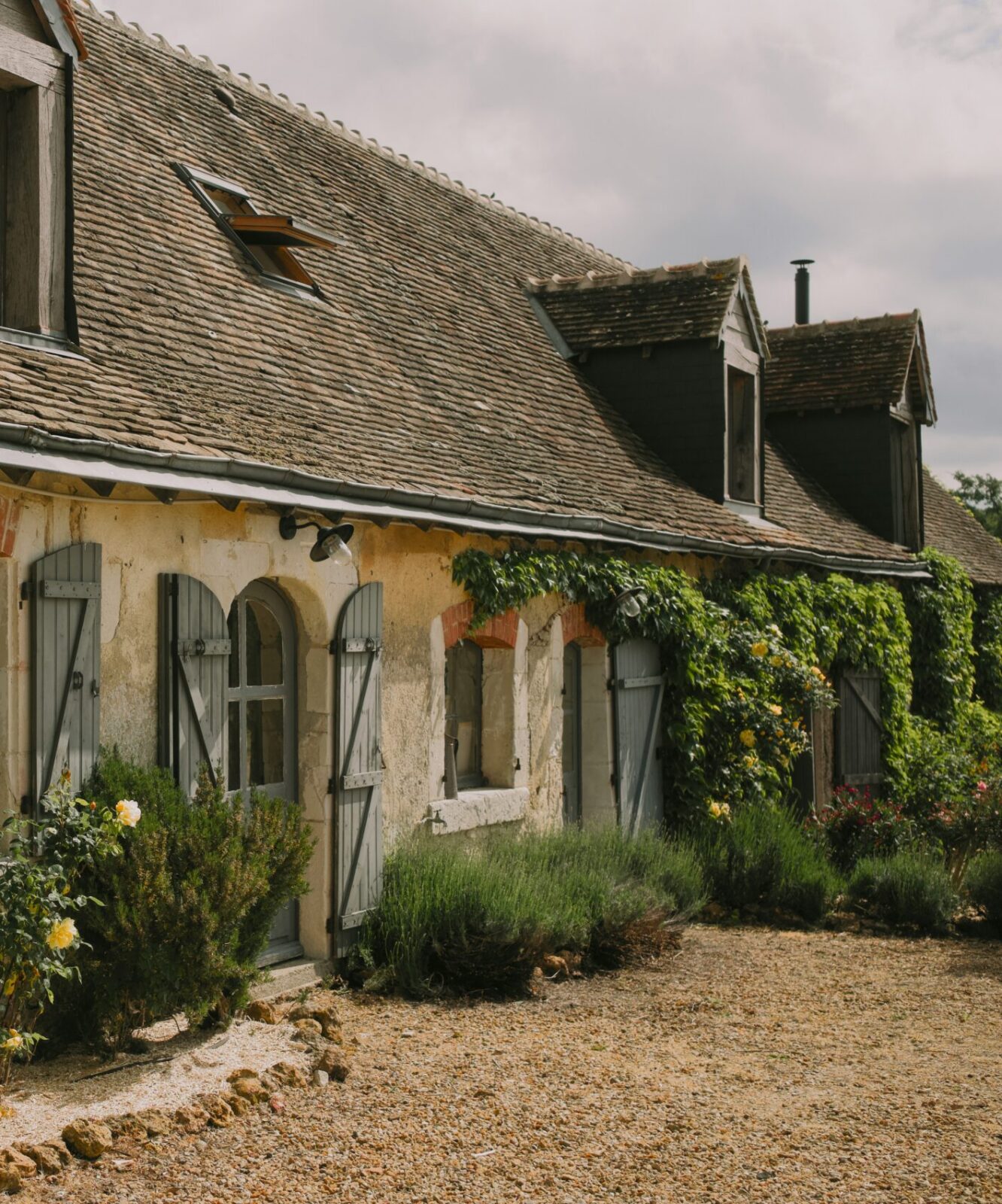
Photo by: Erwan Hersy