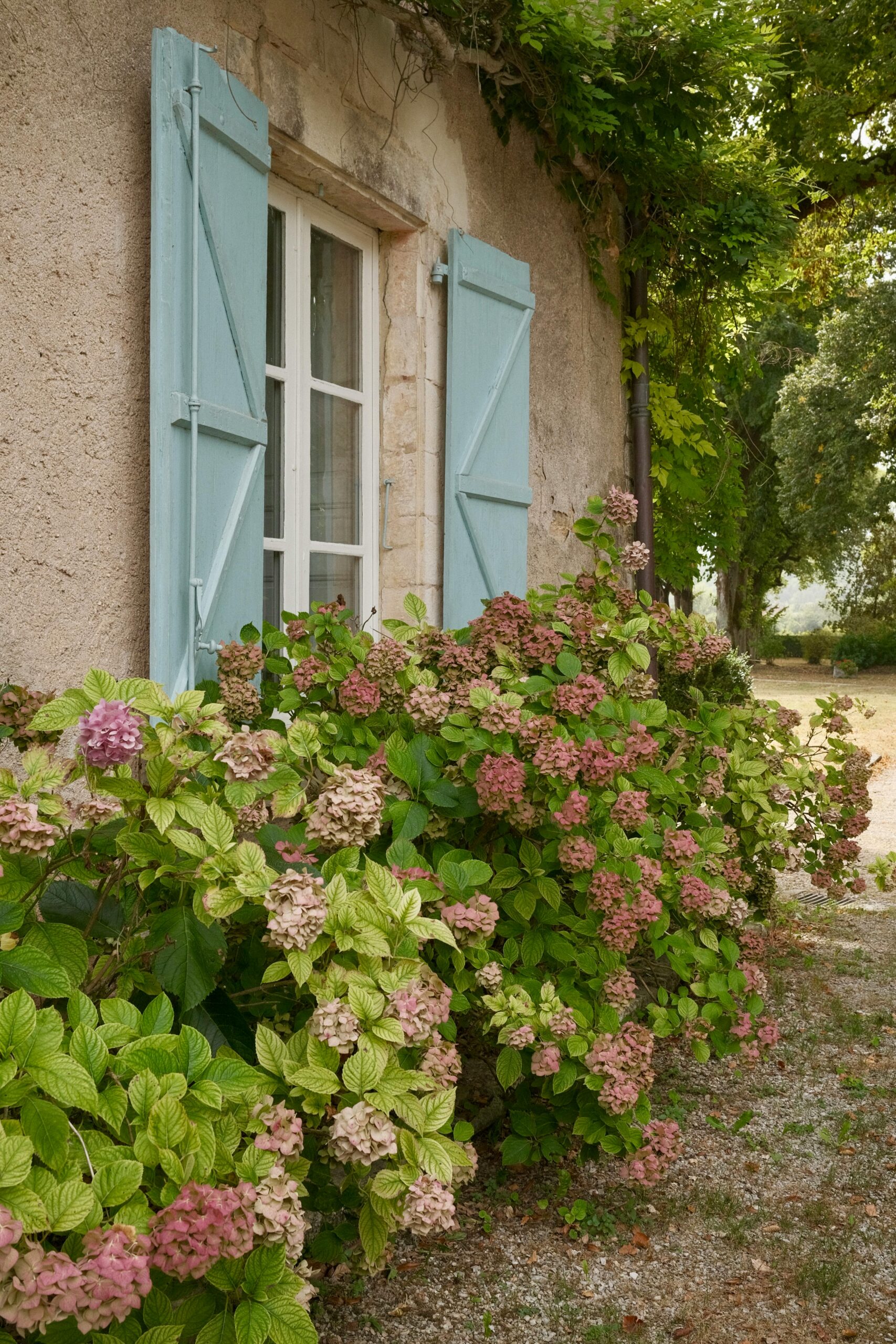
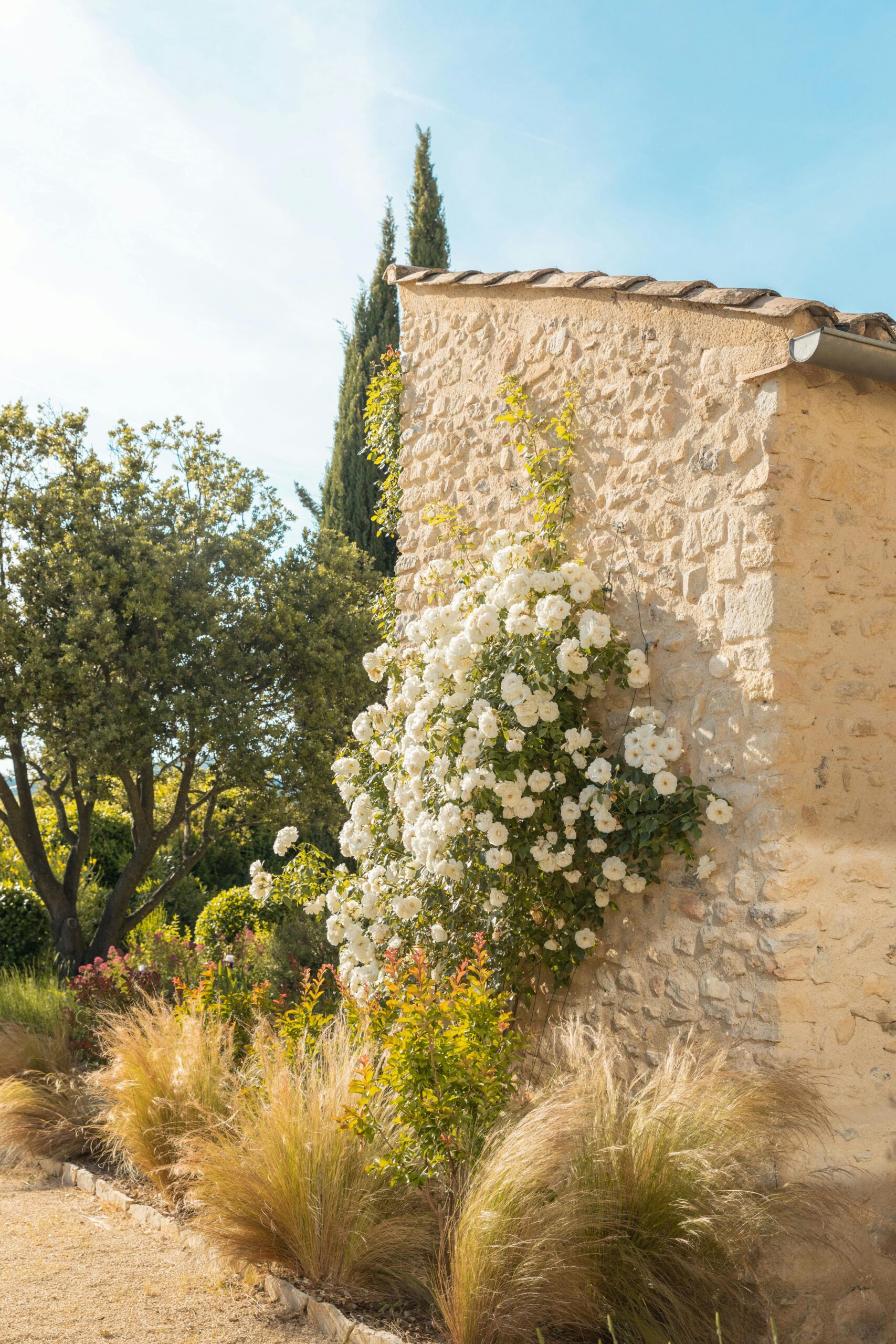
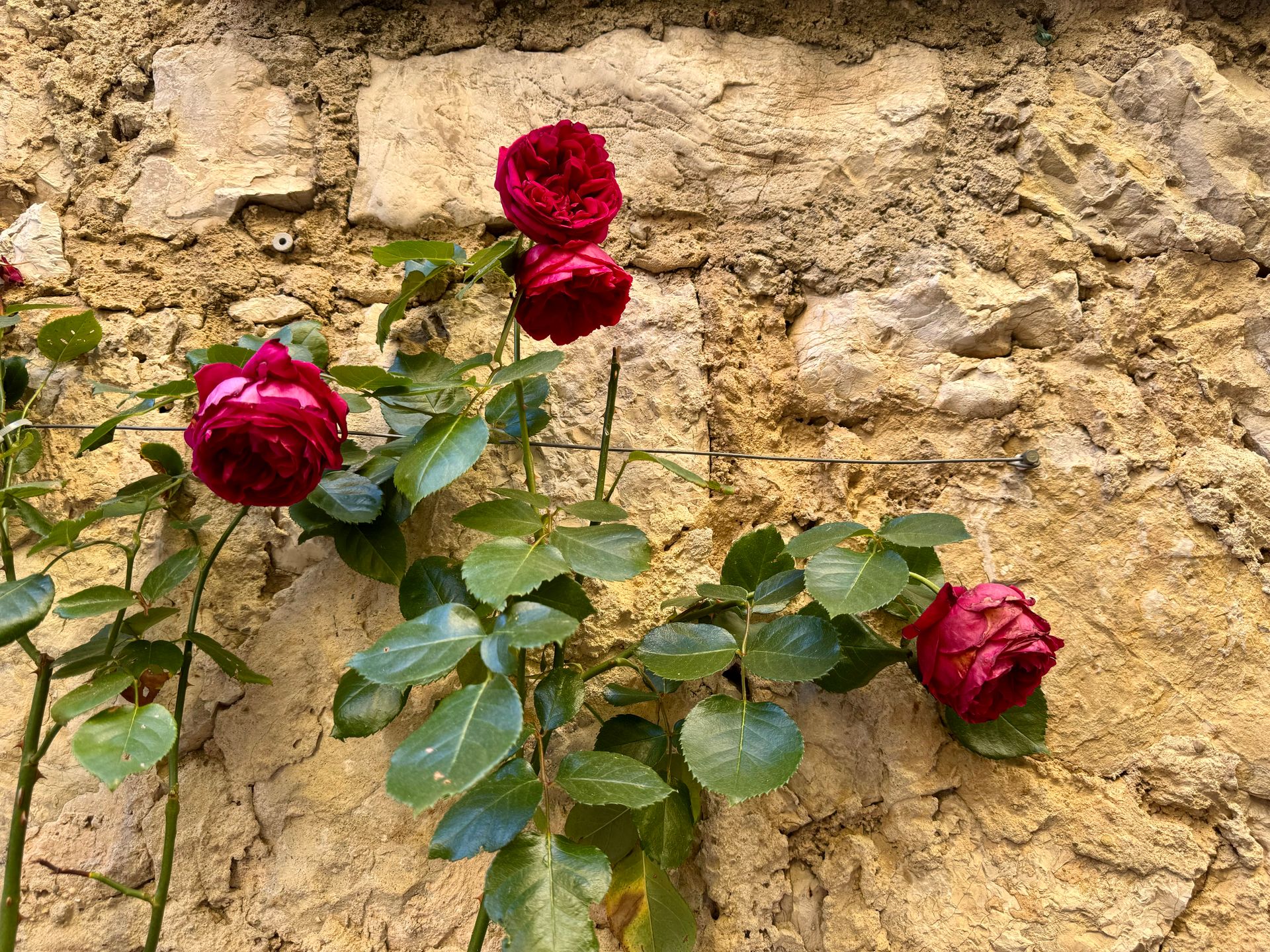
Almost every client who wants a Mediterranean feeling in their own backyard starts the conversation the same way. They send a photo of a courtyard or a path lined with lavender, then ask how to get their garden to look like that. I ask them a different question first: what do you actually want to do out here?
And before we’ve talked about a single plant, I’m usually recommending gravel.
Most people trying to recreate that feeling start with the plants, because plants are what we notice first in a photograph. Lavender, olive, cypress, rosemary — easy to name, easy to buy, easy to copy. So they buy the plants, and the garden still doesn’t feel like the picture. That’s because the feeling was never coming from the plants alone. Gravel was doing more of the work than anyone gave it credit for.
Good Gravel Garden Design Begins with the Ground Plane
Nik Cvetkovic
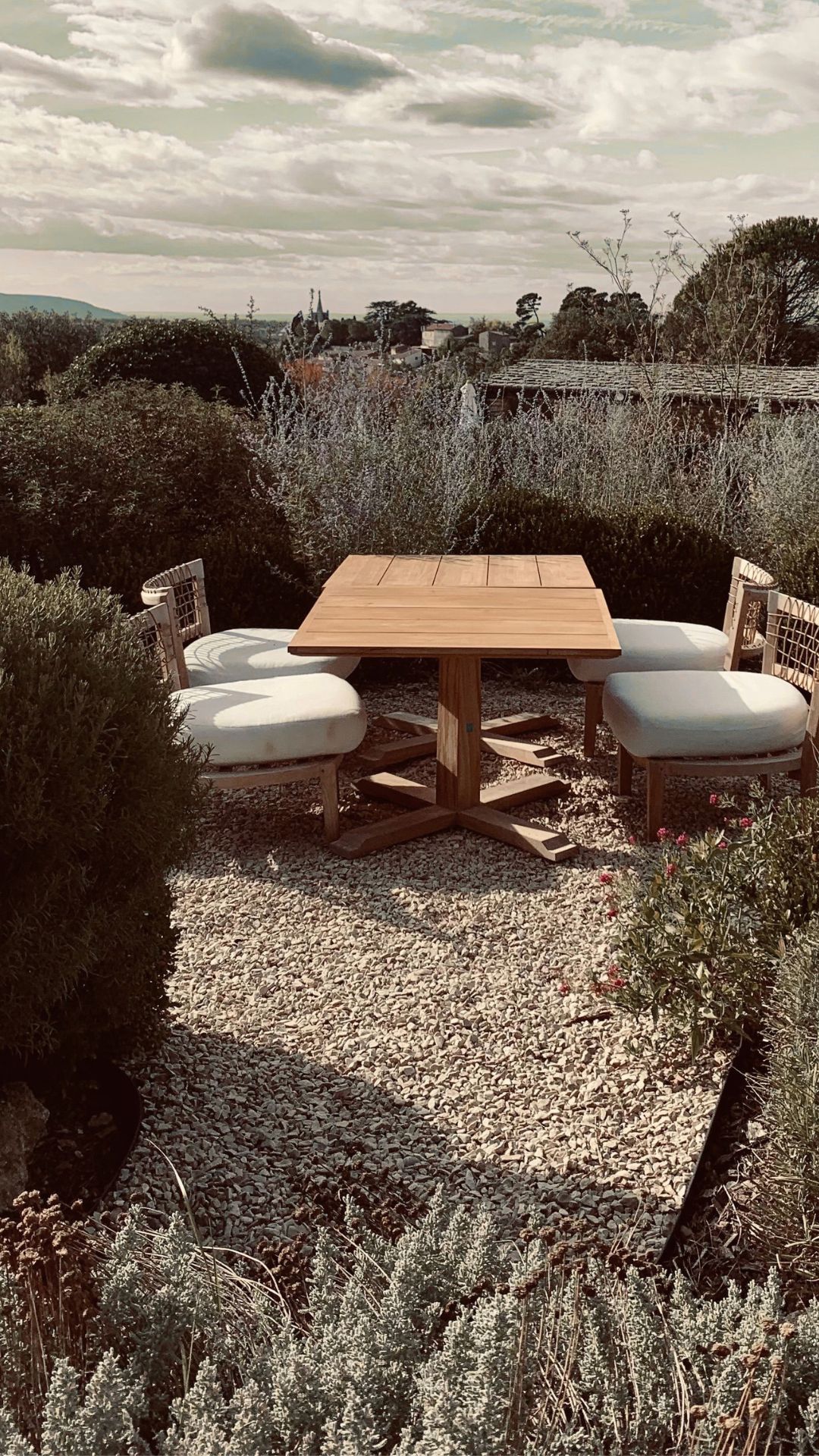
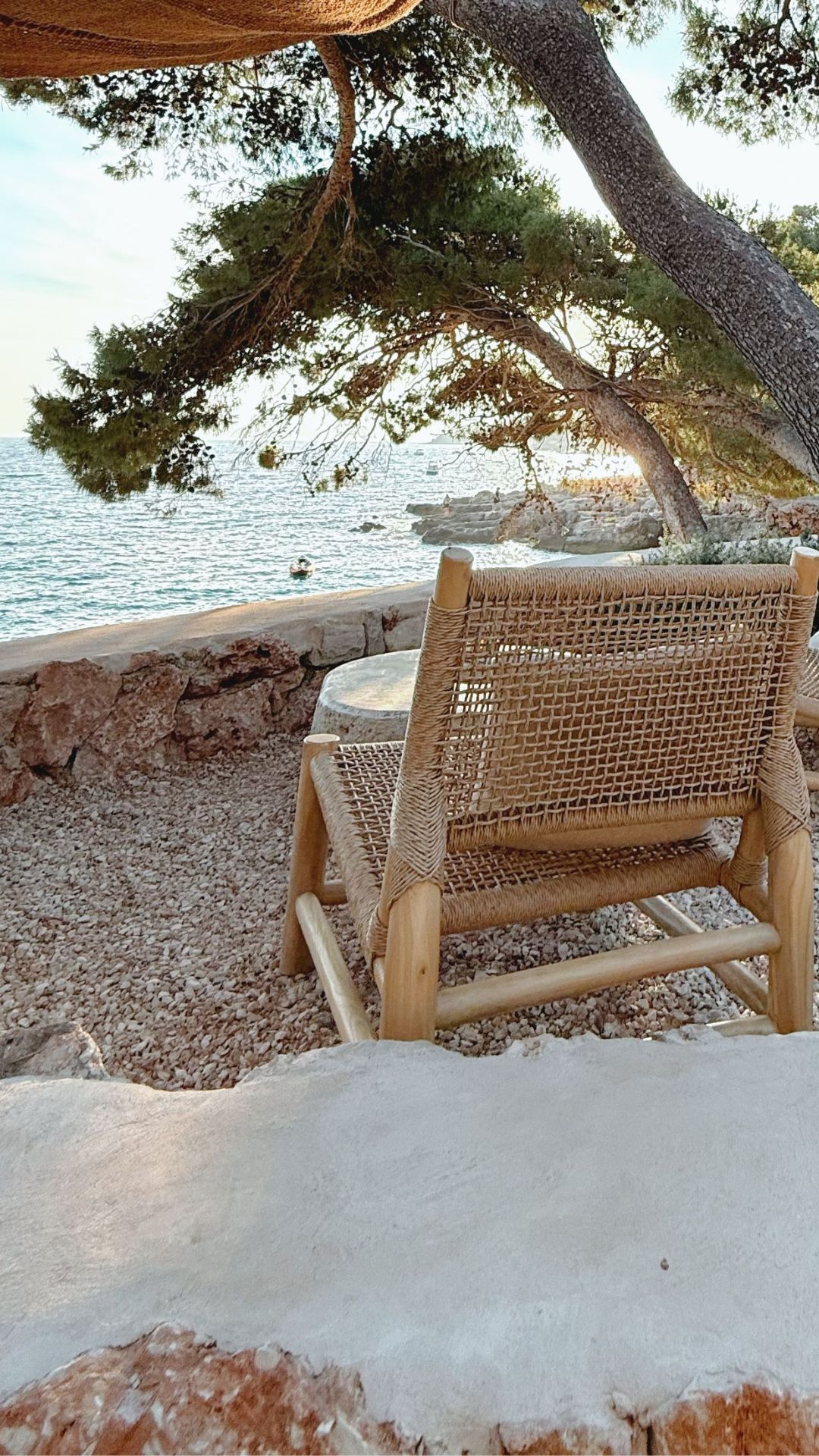
Walk through nearly any Mediterranean courtyard and gravel is underfoot. It’s around the containers, beneath the olive trees, filling the space between the hardscape and the beds. It isn’t there by accident, and it isn’t purely decorative either. It changes how you move. Unlike a paved surface, gravel has a crunch and a slight unevenness that naturally slows your pace. You wander instead of rush. A gravel path doesn’t just connect one part of the garden to another — it becomes part of the experience of being in it.
This is the principle worth carrying into any climate: the ground plane sets the tempo of a space before a single plant tells you anything. If the feeling you want is unhurried, choose a surface that can’t be crossed quickly.
Why Gravel Changes the Feeling of a Garden
This is the part almost nobody mentions. Pale gravel reflects sunlight back up into the garden — brightening walls, lighting the underside of tree canopies, making silver foliage like lavender or olive appear almost luminous against it. Long before you consciously register a single plant, you’ve already experienced one of the things that makes these gardens feel the way they do. That glow is coming from the ground, not the leaves.
Choosing the Right Gravel for Your Garden
I like a three-quarter-inch chip gravel. Angular gravel stays put once it’s walked on. This is good for a space that sees regular foot traffic in shoes. Pea gravel is rounded and rolls slightly underfoot. Some people love that for a garden meant to be walked barefoot, others — myself included, with sensitive feet — find it less comfortable. Stay in warm, earthy tones for either, browns and tans with a little variation, so it reads as sun-warmed stone rather than a driveway.
There’s no universally right choice. It depends on how the space will actually be used, which is worth deciding before you order anything. And ask for it washed — I’ve seen what a season of unwashed gravel looks like in a high-traffic spot. It mucks up and holds onto everything that touches it.
Build Your Gravel Garden for Your Climate
Here in Chicago, we put down a substantial compacted gravel base — often six inches — under any installation, because freeze-thaw cycles will shift an unbased surface within a season or two. The ground freezes hard, builds ice, and heaves things out of place when it thaws. In a warmer, drier climate, that base can be shallower or unnecessary altogether — one of the original, practical reasons gravel became so common throughout the Mediterranean in the first place. Long before it was a design choice, it was a response to heat and water scarcity that lawns simply couldn’t survive.
Ask your contractor or local quarry what’s standard for your region before you build. What holds a Chicago courtyard together isn’t what holds one together somewhere that never sees a hard frost.
The Best Gravel Garden Ideas Embrace Restraint
This is the part most gravel garden ideas skip entirely — they focus on where the gravel goes and never explain what it’s contributing. Open ground between plants isn’t empty space to be filled in. It’s what lets a clipped shrub, a weathered urn, or a single sculptural tree register as a focal point instead of disappearing into a crowded bed. Mediterranean gardens are comfortable with restraint in a way many gardens aren’t, and that restraint is largely a function of the ground plane, not the plant list.
The Plants Become Jobs, Not Species
Once the gravel is doing its job, the question changes from which plants belong here to what role should each plant play. A cypress becomes a vertical marker against the sky. Lavender becomes a ribbon of fragrance along a path rather than the whole point of the garden. An olive becomes a piece of living sculpture, casting patterned shade across the gravel below it. That shift — from collecting species to assigning roles — is exactly what an entire section of Issue 03: The Mediterranean Courtyard is built around, and it’s the shift that lets this feeling travel into climates where lavender and olive won’t actually grow.
None of this—the base depth, the washed gravel, the warm tone, the negative space—is the part anyone photographs. The photographs are always the lavender, the shade, the unhurried afternoon. But every one of those moments is standing on a decision made before any of it was planted.
The ground plane sets the tempo of the garden. Once you get that right, the rest of the space begins to tell the same story.