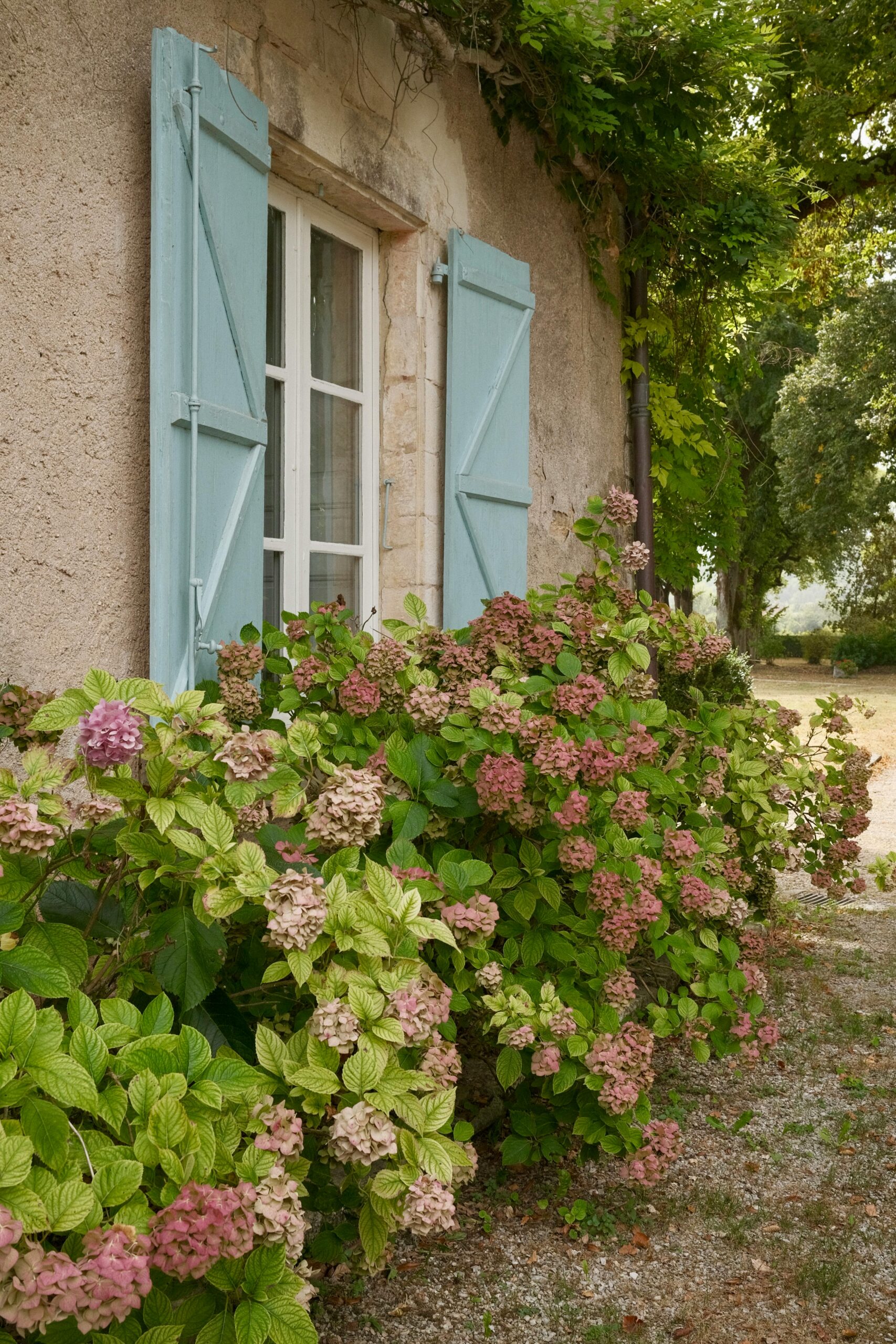
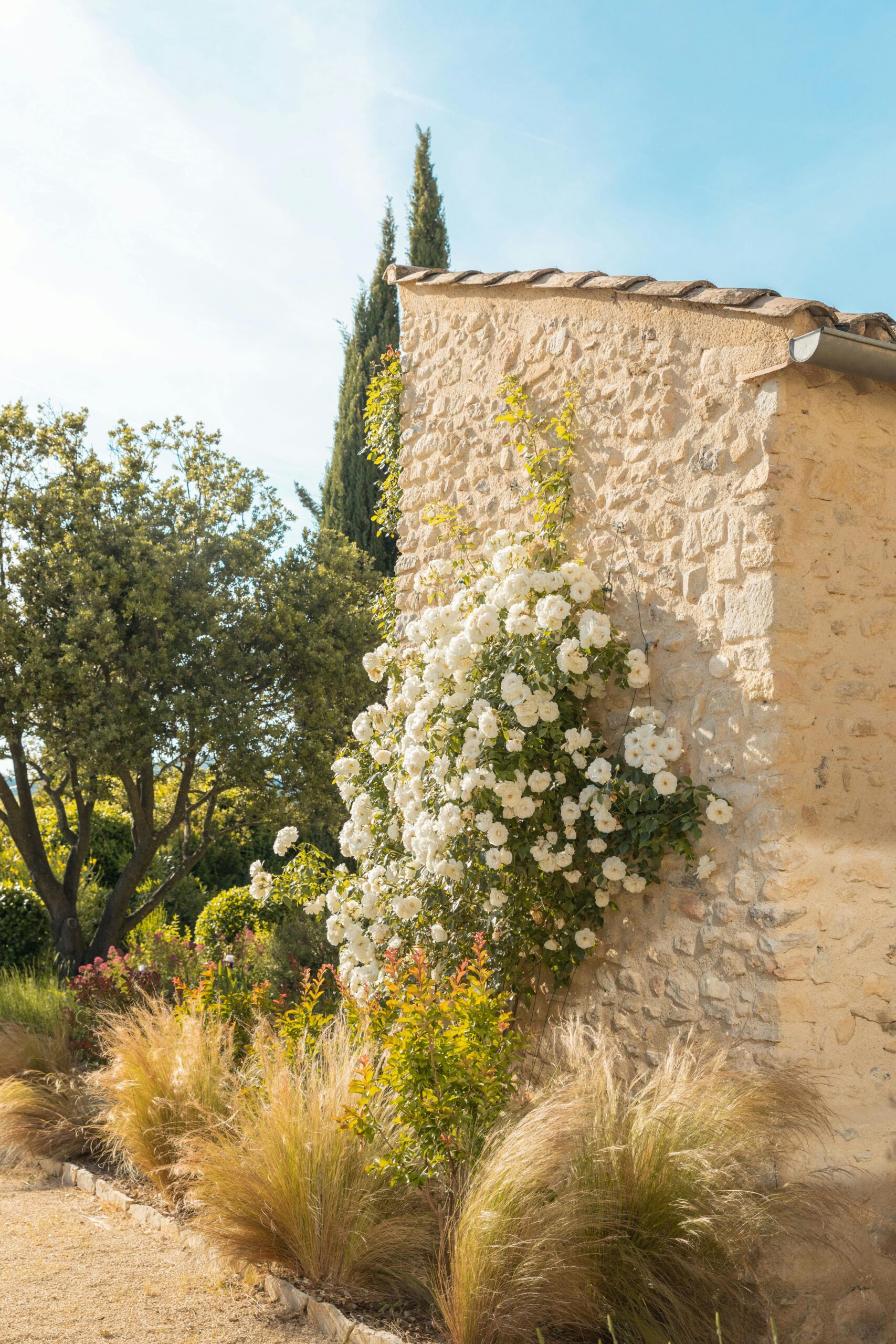
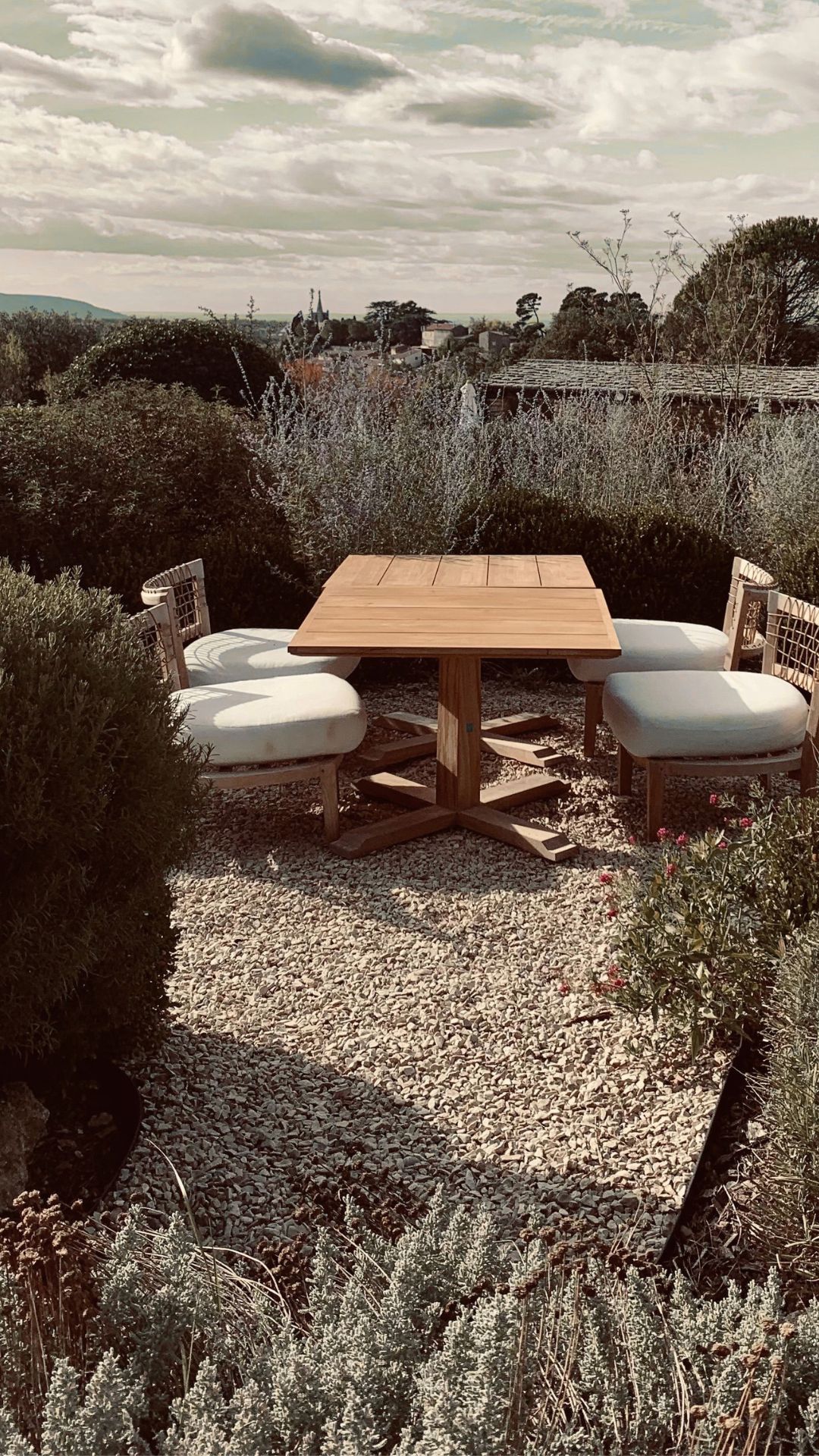
Before I finish my coffee or check my phone, before anyone in the house needs anything from me, there is a door. Some mornings I open it with a cup in hand. Some mornings, with nothing at all, just to stand there and look at what the garden did overnight. There are four steps down from the covered deck to the grass, but I rarely walk down them. Most days, leaning over the railing, taking in the view, is enough. The best garden terraces have a way of turning moments like these into part of everyday life.
This is not a story about coffee. It is a story about the few minutes before you have to be anyone for anyone—and about a piece of garden terraces most people never think to get right, which is exactly why some outdoor spaces protect that feeling and others simply don’t.
The Part of the Day We Forget to Design
Most of us plan for the dinner party. We plan for the barbecue, a long table, the fire pit that will one day replace the grass no one uses—but almost no one plans for the hour before all of that, the private transition between sleep and the demands of the day. It doesn’t photograph well. It doesn’t entertain anyone. And yet it is, for many people, the only unclaimed twenty minutes they get.
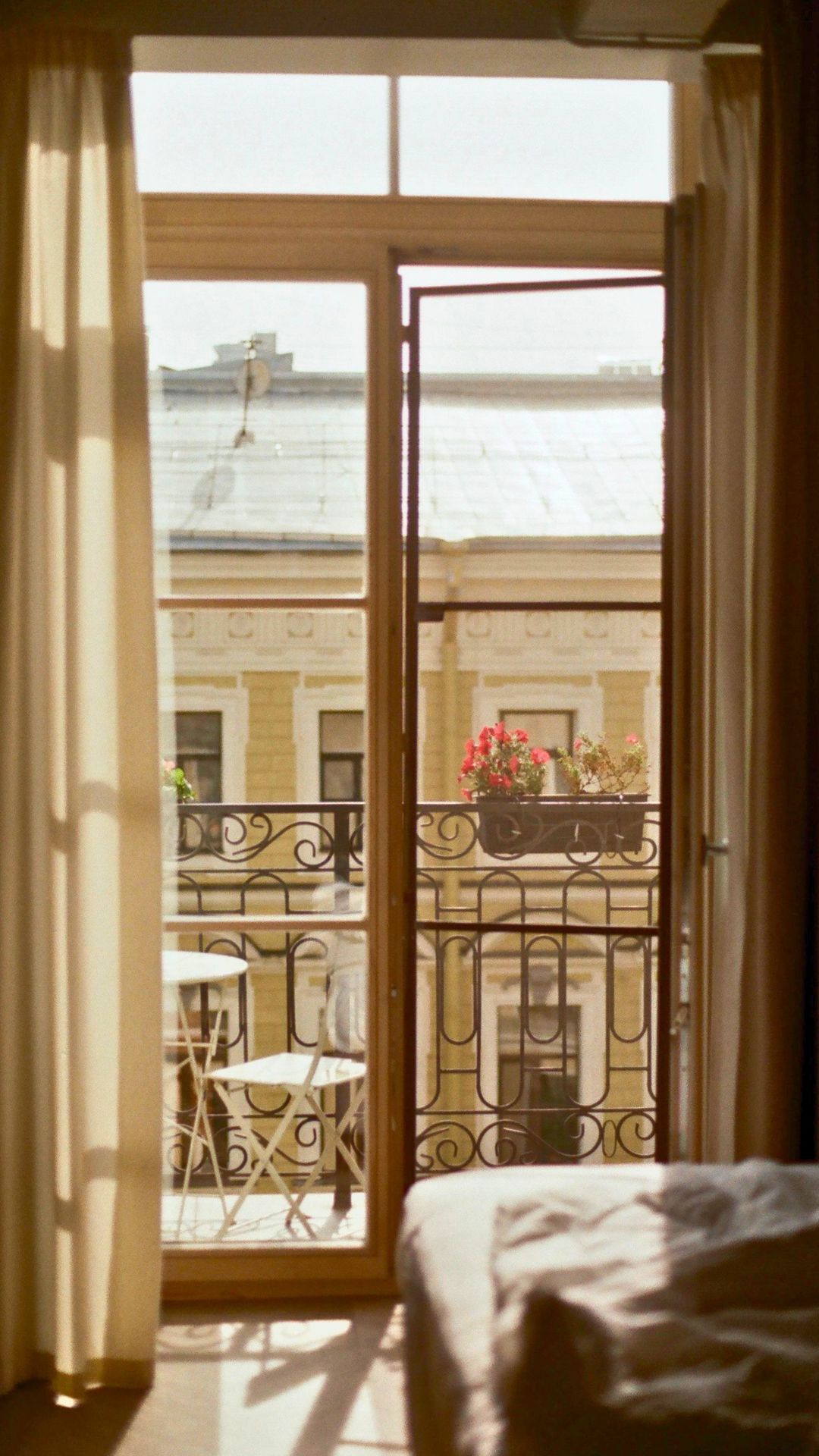
In Provence, this hour is not an afterthought. The terrace wasn’t built only for entertaining. It was built for this hour, too. Walk through a village at seven in the morning and you’ll find them already occupied: one chair pulled close to the door, a small table holding exactly what’s needed and nothing more, the rest of the space still half in shadow. Nobody is performing hospitality. The terrace is doing something simpler. It is making the ordinary act of waking up feel like it was worth building a place for.
Because that’s what Provençal terraces understand. Ordinary rituals deserve beautiful settings.
What a Garden Terrace Actually Solves For
The instinct is to credit the light, or the climate, or some inherited sense of leisure that doesn’t translate to a Tuesday in February. But the real explanation is more useful than that, because it’s about design, not geography.
It Begins Close to the House
The best garden terraces sit close enough to the house or apartment that stepping outside costs nothing—no shoes to find (okay, maybe find some shoes if it’s February in Chicago, where I live), no plan to make. The moment you have to walk somewhere for this ritual, you’ve turned it into an errand, and errands get skipped.
It Lets You Be Alone
A wall, a hedge, a neighboring building close enough to block a direct line of sight—something that lets you be outside before you’re dressed for the day without feeling watched. This is the difference between a terrace that gets used every morning and one that gets used only when company is expected.
It Feels Good Under Bare Feet
The footing matters more than most people realize. A surface secure enough to cross in bare feet or slippers means you stop thinking about the walk and start thinking about the morning. Anything that asks you to think about your steps at six in the morning is a surface that will get used less and less.
It Gives You a Reason to Stay
Overhead shelter matters more than most people expect, too. A covered deck, a pergola, even the edge of an eave—something between you and the sky changes how long you’re willing to stay. An uncovered terrace unintentionally gets ten minutes. A sheltered one gets thirty.
None of this requires a French climate.
It requires a French decision: to treat this hour as worth designing for at all.
The Same Principle, on a Smaller Terrace
The principle holds even where the space doesn’t. A compact balcony on a Greek island rarely has room for more than a single chair and a narrow rail, and it still gets this right because proximity and enclosure don’t require square footage. A small, well-placed spot within a few steps of the coffee pot will outperform a larger, more distant one every time.
Scale isn’t the variable that matters here.
Placement is.
My own deck is ten feet by eleven, covered, attached directly to the kitchen. It works for this hour not because it’s generous, but because it requires very little of me to use it. That’s the whole idea.
How to Start Designing Your Own Morning Terrace
You don’t need a terrace redesign to test this. You need one honest look at whether your current outdoor seating is actually built for a Tuesday morning, or only for a Saturday gathering.
- Choose a spot within a few steps of the kitchen—not the prettiest corner of the yard, the closest one that still feels good to sit in.
- Face a comfortable chair toward the best light or view, not automatically back toward the house.
- Add something—a hedge, a trellis, or a tall planter—behind or beside the seat, enough to feel unobserved.
- Use one table sized for a cup, a book, and a small plate. Nothing more ambitious.
- Choose a surface that feels secure underfoot without shoes. An outdoor rug may be all you need.
- Plant one fragrant thing close enough to notice in the morning air during the warmer months.
Tomorrow morning, before the emails and errands begin, open the door. Stand there for five minutes. If the space makes you want to stay, you’re already closer than you think. If it doesn’t, you now know what you’re designing toward.
Like this kind of thinking and want more of—how a specific place gets a feeling right, and how to build it where you actually live—the South of France Garden Guide waitlist is open now.
The South of France Garden Guide isn’t about copying Provence. It’s about understanding why its gardens feel the way they do, then translating those ideas into a garden that belongs where you live.